True History of the Kelly Gang
2019
No user ratings available yet
Representation score: 3.1 out of 10
Representation Score
Limited
2018
RDirector
Warwick Thornton
Runtime
113 minutes
Average Rating
No ratings yetNew Showbiz Analysis
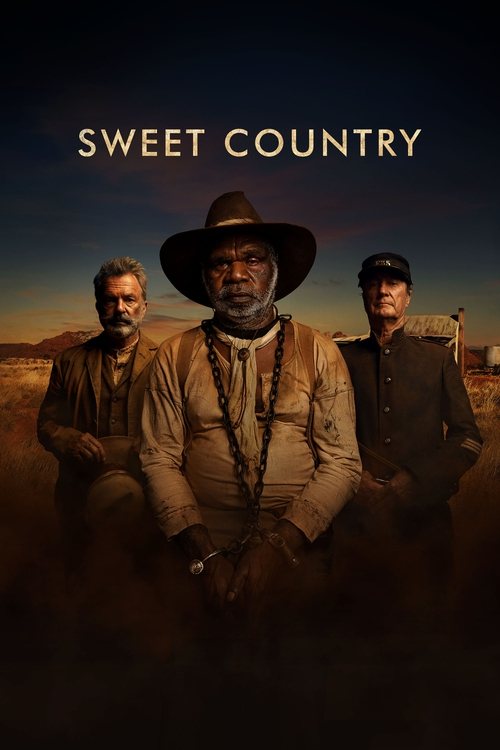
Sweet Country is a powerful deconstruction of the Western genre that replaces frontier myths with a study of colonial violence. By centering an Indigenous protagonist, the film successfully challenges the historical erasure of Aboriginal people in the Australian pastoral landscape. While the film excels in racial and cultural critique, it remains heavily focused on patriarchal structures and male-driven conflict. This results in a lack of significant women's ability to drive the story or LGBTQ+ representation within the period setting. Ultimately, the film serves as a profound post-colonial critique, using the cinematic medium to expose the systemic injustice of the legal and religious institutions of the 1920s.
Category Breakdown
The film does not include any LGBTQ+ characters or explore non-straight identities.
The story focuses on male-driven conflicts and power struggles between Indigenous men and white authorities. While it avoids traditional gender hierarchies, it does not significantly challenge gender roles through female characters.
The film provides excellent representation by centering an Indigenous protagonist within the Western genre. This disrupts the typical Anglo-Saxon dominance in frontier narratives, reclaiming the Australian landscape.
The narrative offers a sophisticated critique of Western institutions, depicting legal and religious systems as tools of oppression. It portrays the protagonist's struggle against a corrupt, colonial moral framework.
There are no significant depictions of visible or invisible disabilities central to the film's narrative.
Present on Screen
Limited or Absent
Official Synopsis
In 1929, an Australian Aboriginal stockman kills a white station owner in self-defense and goes on the lam, pursued by a posse.
2019
1957

2005
1943

2018

1964
2015
1975
No reviews yet. Be the first to share your thoughts on this movie!
Use the rating form above to leave a star rating and optional review.