Vitalina Varela
2019
No user ratings available yet
Representation score: 8.7 out of 10
Representation Score
Fair
2013
Director
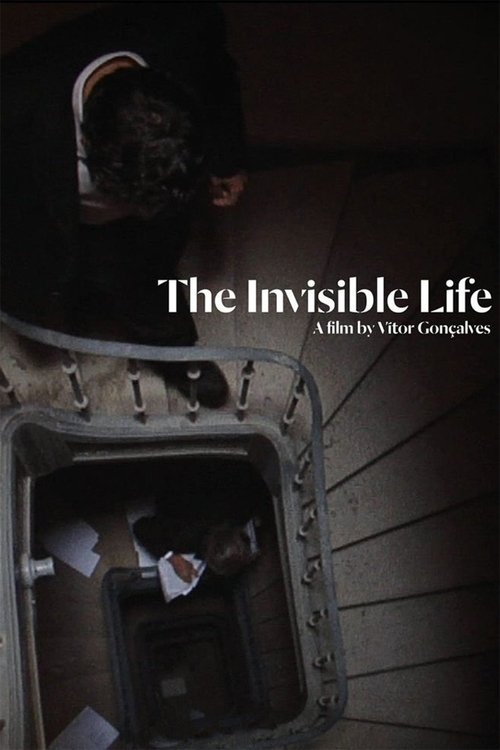
Vítor Gonçalves
Runtime
99 minutes
Average Rating
No ratings yetNew Showbiz Analysis
The Invisible Life is a character-driven drama that prioritizes psychological depth over broad demographic representation. It deconstructs traditional life paths through a non-linear, memory-driven structure that favors subjective experience. Though the film lacks significant racial diversity, it excels in exploring emotional repression and the tension between institutional roles and personal identity. The focus remains on the nuances of what is left unsaid. Ultimately, the film serves as a quiet, postmodern study of existential crisis, trading conventional storytelling for a more complex, fragmented look at human connection.
Category Breakdown
The film explores hidden desires and the weight of unspoken intimacy. While the main relationship is heterosexual, there's tension between Hugo and António, suggesting a look at unfulfilled lives.
The story focuses on male psychological vulnerability rather than traditional masculinity. Adriana is crucial emotionally, but her role is seen through Hugo's memories.
The setting seems to focus on a homogeneous social environment. There is no indication of diverse racial blending or intentional casting choices within this bureaucratic context.
The film emphasizes personal truth and memory over strict moral lessons. It subtly questions institutional stability by highlighting the fleeting nature of personal fulfillment and unspoken truths.
There is no explicit depiction of physical or neurodivergent disabilities in this work.
Present on Screen
Limited or Absent
Official Synopsis
There is a long night when Hugo, a civil servant, is sitting on the stairs of the Ministry where he works. He can’t face going home. The images of the mysterious 8 mm films he found in António’s house after he passed away keep coming back to his mind. Hugo remembers the day when Antonio, his superior at the Ministry, told him that he was going to die. Indirectly, Antonio seemed to want to tell him something about Hugo himself. Hugo’s desire to understand what had remained unsaid between the two of them, triggers other memories from the past. Hugo unexpectedly thinks back on the last time he saw the woman he loved, Adriana, and relives once more what he feels has been his unlived life.
2019

2023
1998

1988
1999

1995

2019
1948
No reviews yet. Be the first to share your thoughts on this movie!
Use the rating form above to leave a star rating and optional review.