Fragments: A Chronicle of a Vanishing
1991
No user ratings available yet
Representation score: 5.4 out of 10
Representation Score
Fair
1992
Director
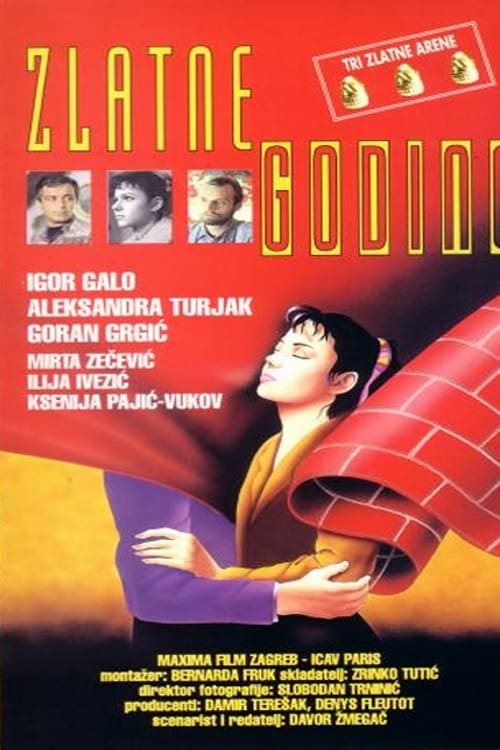
Davor Žmegač
Runtime
110 minutes
Average Rating
No ratings yetNew Showbiz Analysis
The Golden Years is a historical drama that prioritizes the deconstruction of state power over contemporary identity politics. It uses personal stories to critique systemic political shifts and institutional corruption. While the film lacks significant markers for LGBTQ+ or racial diversity, it achieves a progressive score through its narrative structure. The story focuses on how political upheaval affects families and individuals. Ultimately, the film's strength lies in its historical revisionism and its skepticism toward the official truths maintained by state structures.
Category Breakdown
The film does not include any explicit LGBTQ+ characters or non-straight relationships. The central romantic tension revolves around a traditional heterosexual relationship involving Jakov, Mislav, and Suncana.
Suncana’s mysterious death drives much of the second act, making her an important part of the story. However, the story remains focused on the male protagonists and their reactions to political events.
The cast is ethnically uniform, reflecting the historical makeup of the Zagreb area. The narrative explores tensions between local identity and the diaspora through Jakov’s return from Australia.
The film strongly critiques state institutions and the suppression of the Croatian Spring movement. It challenges official state narratives by examining the mysterious deaths of past political figures.
There is no clear depiction of physical or neurodivergent disabilities in the narrative.
Present on Screen
Limited or Absent
Official Synopsis
Twenty years after the Croatian Spring autonomist movement had been crushed by Yugoslavia's communist goverment, autonomist Jakov Petras returns to Zagreb from a self-imposed exile in Australia, determined to find the truth about the mysterious murder of his ex-girlfriend Sunčana and the disappearence of his younger brother Mislav.
1991
1985
1991
1985
1984

1984

1970
2003
No reviews yet. Be the first to share your thoughts on this movie!
Use the rating form above to leave a star rating and optional review.