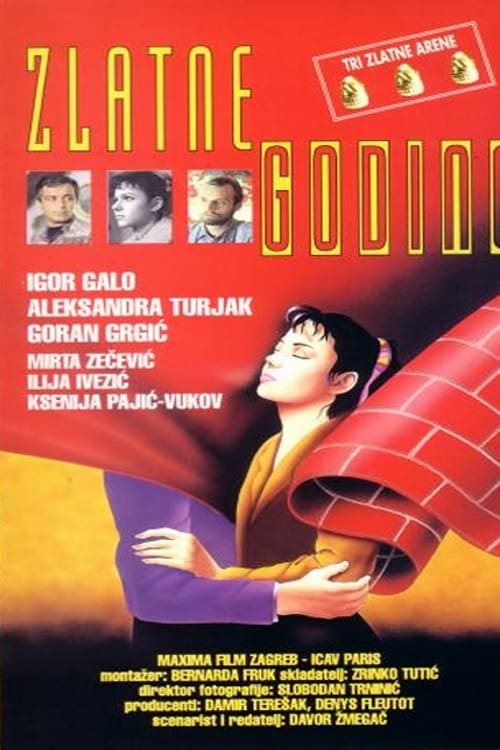
The Golden Years
1992
No user ratings available yet
Representation score: 5.0 out of 10
Representation Score
Limited
1991
Director
Krsto Papić
Runtime
95 minutes
Average Rating
No ratings yetNew Showbiz Analysis
Krsto Papić’s drama is a localized study of social disintegration during the transition from Yugoslav socialism. It prioritizes political and systemic critique over broad characters who reflect more than one aspect of diversity, focusing on the tension between individual ability to act and state repression. The film's strength lies in its sophisticated critique of authority and its nuanced portrayal of how systemic forces affect family cohesion. It captures a specific moment of Croatian identity through the lens of political upheaval and economic necessity. However, the work remains tied to traditional social structures. It lacks engagement with LGBTQ+ identities and maintains conventional patriarchal hierarchies, resulting in a narrow scope regarding gender and sexual diversity.
Category Breakdown
The film does not include any LGBTQ+ narratives or characters with non-traditional gender identities. The social structure is based on strict, traditional norms where heterosexual relationships are the norm.
The character interactions follow traditional patriarchal hierarchies in a rural setting. While the film delves into the psychological impact of political upheaval, it does not challenge traditional gender roles.
The film focuses on a homogeneous ethnic group, specifically studying Croatian identity during a time of geopolitical change.
The narrative excels in critiquing established institutions and state authority. It portrays traditional political and communal structures as sources of instability and oppression during a period of social breakdown.
There is no significant portrayal of physical or neurodivergent disabilities in the film.
Present on Screen
Limited or Absent
Official Synopsis
Ivan, a young Croatian autonomist whose brother left the country due to political persecution, falls in love with Marina, the duaghter of a staunch communist police chief. Their forbidden whirlwind romance takes place against the backdrop of early 1980s Zagreb's everchanging sociopolitical background following the death of Yugoslavia's president Josip Broz Tito.
1992
1985
1992
2011

1981
1985
1970

1970
No reviews yet. Be the first to share your thoughts on this movie!
Use the rating form above to leave a star rating and optional review.