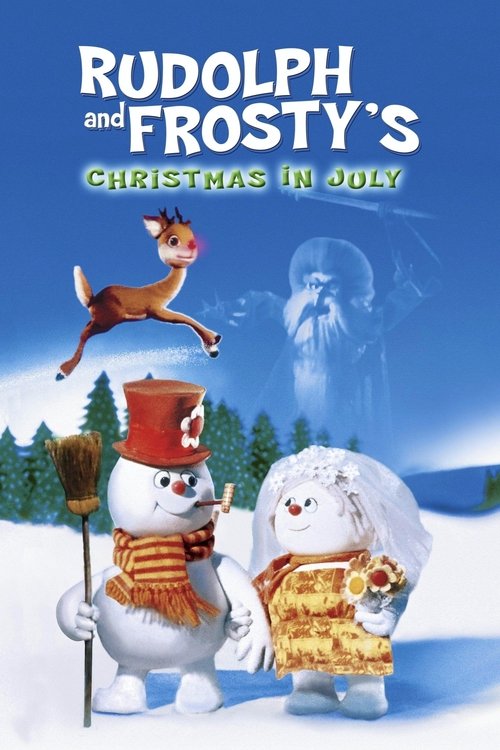
Rudolph and Frosty's Christmas in July
1979
No user ratings available yet
Representation score: 0.4 out of 10
Representation Score
Limited
1976
ApprovedDirector
Jules Bass, Arthur Rankin, Jr.
Runtime
50 minutes
Average Rating
No ratings yetNew Showbiz Analysis
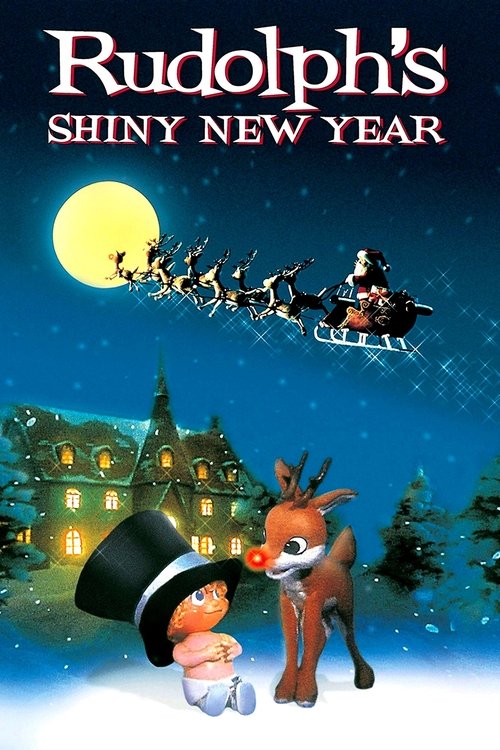
Rudolph's Shiny New Year exemplifies mid-century animated storytelling that prioritizes stability and cosmic order. The film relies heavily on established archetypes and traditional hierarchies, providing a cohesive fantasy experience but limiting social depth. By using anthropomorphic characters, the film avoids meaningful racial, ethnic, or LGBTQ+ representation, focusing instead on a linear moral structure. The film lacks the intentionality needed to challenge social hierarchies or provide nuanced perspectives.
Category Breakdown
The film focuses on anthropomorphic characters and does not include any representation of LGBTQ+ identities or same-sex relationships.
The story relies on traditional 1970s gender roles, where female characters have limited roles and ability to act compared to male characters.
Since the cast consists of non-human entities in a fantasy setting, there is no depiction of human racial or ethnic diversity.
The narrative emphasizes cosmic duty and the preservation of order, reinforcing traditional responsibilities without offering critiques of cultural or moral relativism.
Happy the Baby New Year experiences social isolation due to his unconventional appearance and laugh, but the film treats this as a quirky issue to resolve.
Present on Screen
Limited or Absent
Official Synopsis
Rudolph must find Happy, the baby new year, before the midnight of New Year's Eve.
1979

1979

2012
1974
1974
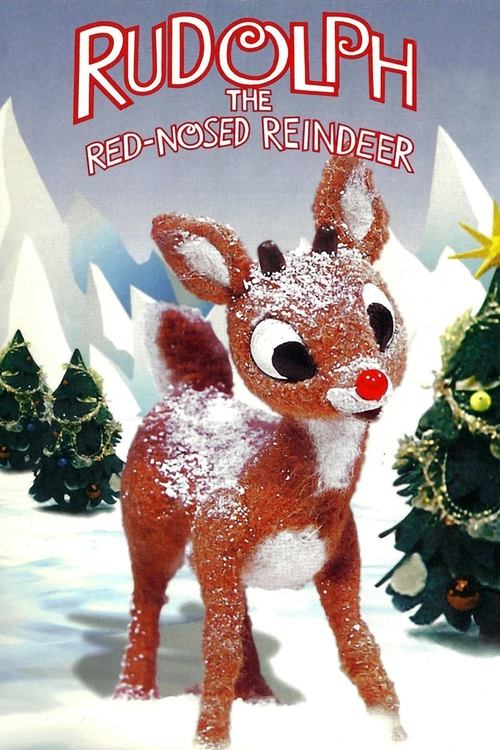
1964

1977

1948
No reviews yet. Be the first to share your thoughts on this movie!
Use the rating form above to leave a star rating and optional review.