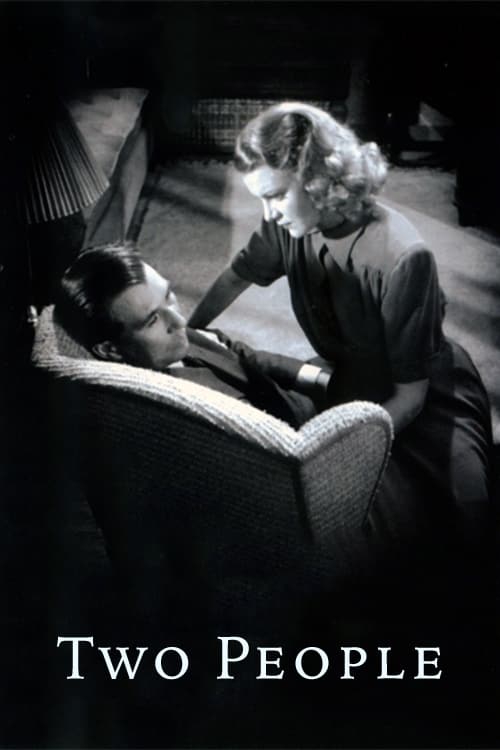
Two People
1945
No user ratings available yet
Representation score: 1.4 out of 10
Representation Score
Minimal
1959
Director
Arne Skouen
Runtime
83 minutes
Average Rating
No ratings yetNew Showbiz Analysis
The film is set in the mid-20th century and is built upon established social and religious hierarchies. It prioritizes psychological depth and individual morality over modern multi-layered identity politics. While the narrative explores the breakdown of social order and systemic betrayal, it lacks intentional subversion of identity-based clichés. The focus remains on the conflict between religious authority and personal integrity. Ultimately, the film reflects the historical social constraints of its era, offering a nuanced look at character rather than a diverse spectrum of identities.
Category Breakdown
The film does not include any LGBTQ+ characters or non-straight identities. The narrative focuses solely on ecclesiastical hierarchy and traditional family structures.
The story revolves around a patriarchal struggle for religious authority. However, Helmer’s wife serves as a resilient moral anchor amidst the chaos.
This Norwegian drama depicts a homogeneous social hierarchy. There is no indication of racial or ethnic blending within the 1950s Scandinavian setting.
The plot explores institutional corruption and moral ambiguity within the Church. It remains deeply rooted in traditional Western religious and legal systems.
There is no mention of characters with visible or invisible disabilities. Disability is not used as a narrative device in this work.
Present on Screen
Limited or Absent
Official Synopsis
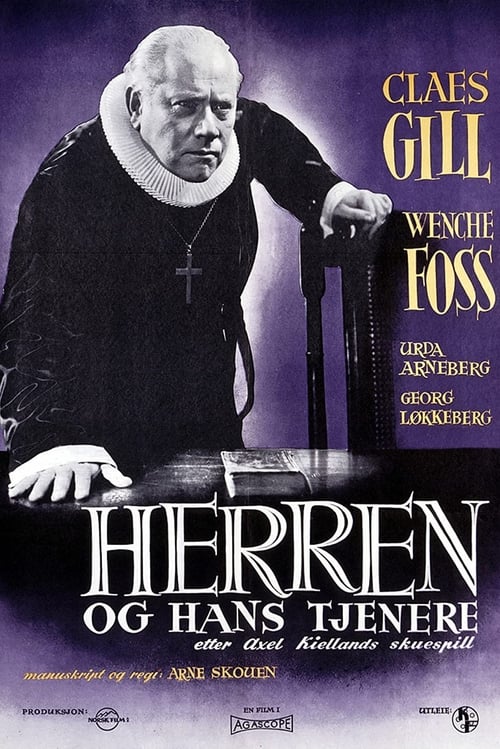
While Sigurd Helmer is being dressed in his bishop's robes, the fanatical Tornkvist arrives at the ordination and watches from the background. Even before the ordination is over, he goes to the police. He has evidence that Helmer has stolen the office with the help of anonymous letters that slandered Tornkvist in the battle for the bishop's crozier. At the banquet in the bishop's residence, Tornkvist drops the accusation like a bomb. At the same time, he announces his engagement to Helmer's daughter, and the banquet table dissolves into complete confusion. Only Helmer's wife stands firm in her belief in his innocence. Helmer is then brought to trial, accused by Tornkvist. Based on Axel Kielland's play from 1955.
1945
1943
1951

1957
1959
1951
1929
1954
No reviews yet. Be the first to share your thoughts on this movie!
Use the rating form above to leave a star rating and optional review.