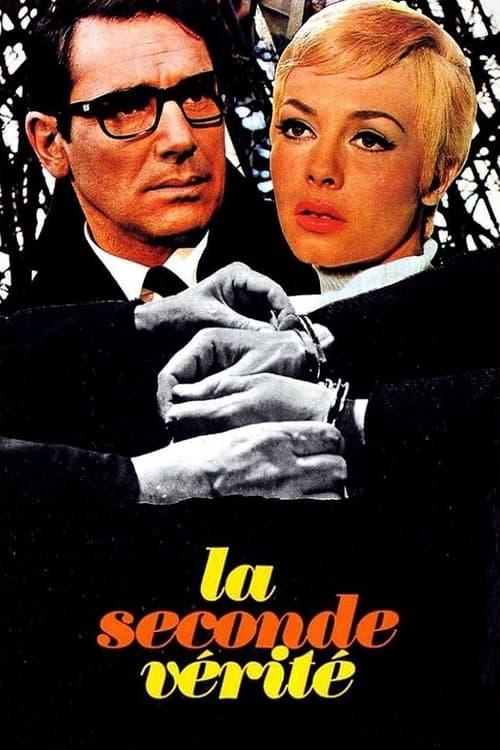
The Other Truth
1966
No user ratings available yet
Representation score: 1.4 out of 10
Representation Score
Limited
1951
Director
Lau Lauritzen Jr., Bodil Ipsen
Runtime
92 minutes
Average Rating
No ratings yetNew Showbiz Analysis
The Face of Truth is a period-specific psychological drama set in the social realism of 1950s Denmark. It explores the breakdown of trust within a traditional family unit as an innocent man is accused of a crime. While the film provides a sophisticated look at individual alienation and the failure of social perception, it operates within the conventional social frameworks of its time. It lacks the complexity of intersecting identities or the subversion of traditional social and gender hierarchies found in more progressive works. Ultimately, the film serves as a study of how traditional institutions—both legal and domestic—can fail the individual, rather than a vehicle for diverse representation.
Category Breakdown
The film does not include any explicit queer narratives or non-cisgender identities. It focuses on the pressures faced by a traditionally structured family unit.
The story centers on a male architect dealing with a crisis of legitimacy. His wife is present, but the power dynamics follow traditional mid-century structures without significant female influence.
Reflecting the demographic homogeneity of 1951 Denmark, the film depicts a likely mono-ethnic community. There is no indication of a multi-ethnic cast or diverse representation.
The narrative critiques the fallibility of social institutions such as the family and the justice system. It functions as a psychological study of communal judgment and social cohesion.
There is no information regarding the inclusion of characters with physical or neurodivergent disabilities.
Present on Screen
Limited or Absent
Official Synopsis
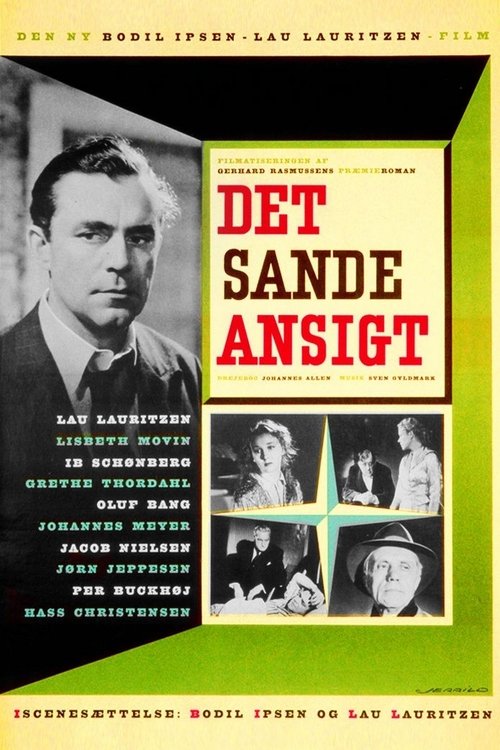
Lau Lauritzen plays an ordinary architect, with a wife and a son. He gets accused for killing a 10-year old girl, and of course nobody doubts he's the one. Even his wife and his uncle has trouble believing him, but at least they don't tell him.
1966

2020
1940
1960
1963

1956
1952
1957
No reviews yet. Be the first to share your thoughts on this movie!
Use the rating form above to leave a star rating and optional review.