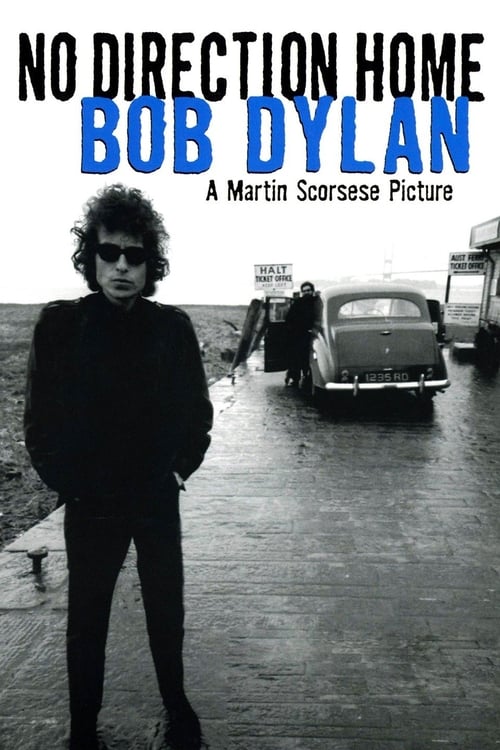
No Direction Home: Bob Dylan
2005
No user ratings available yet
Representation score: 4.5 out of 10
Representation Score
Minimal
2016
NRDirector
Ron Howard
Runtime
106 minutes
Average Rating
No ratings yetNew Showbiz Analysis
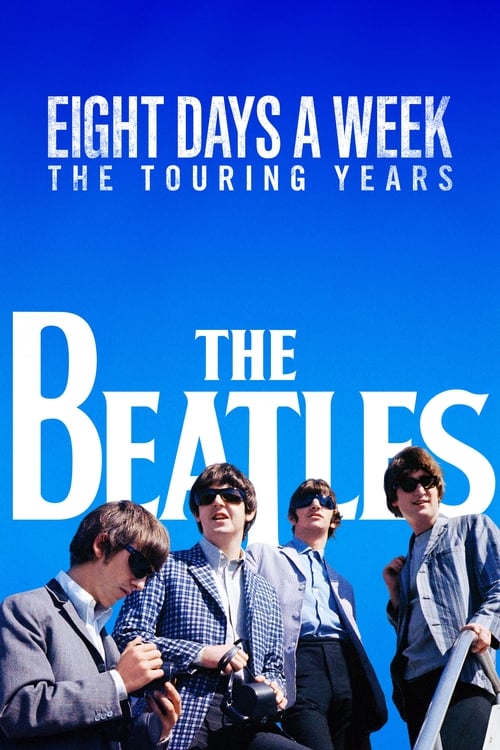
The documentary provides a high-quality look at a global cultural phenomenon but remains firmly rooted in the social structures of the 1960s. It prioritizes preserving a specific Western musical legacy over modern perspectives that consider multiple aspects of diversity. While it captures the scale of the band's international reach, the narrative structure reinforces traditional gendered clichés and Western-centric viewpoints. The focus stays on the band's success rather than the diverse identities within their audience.
Category Breakdown
The film looks back at the mid-1960s and focuses on social structures where everyone is assumed to be straight. It highlights the relationship between the male band members and their female fans but doesn't include any stories about LGBTQ individuals from that time.
The documentary captures the strong gender dynamics of Beatlemania. While it shows the influence of female audiences, it often portrays their passion as 'hysteria.' The primary focus remains on the four male band members.
Archival footage shows a wide range of international audiences during the band's global tours. However, the main focus is on the Western, Anglo-Saxon musical tradition. Diverse crowds often serve as a uniform background.
The film celebrates a Western cultural milestone by documenting the spread of Western pop culture and mass entertainment. It maintains a traditional celebratory tone without questioning these institutions.
There are no specific depictions or character arcs centered on visible or invisible disabilities within the archival material.
Present on Screen
Limited or Absent
Official Synopsis
The Beatles stormed through Europe's music scene in 1963, and, in 1964, they conquered America. Their groundbreaking world tours changed global youth culture forever and, arguably, invented mass entertainment as we know it today. All the while, the group were composing and recording a series of extraordinarily successful singles and albums. However the relentless pressure of such unprecedented fame, that in 1966 became uncontrollable turmoil, led to the decision to stop touring. In the ensuing years The Beatles were then free to focus on a series of albums that changed the face of recorded music.
2005
2018
2016
2015

2013
2010

2004

2017
No reviews yet. Be the first to share your thoughts on this movie!
Use the rating form above to leave a star rating and optional review.