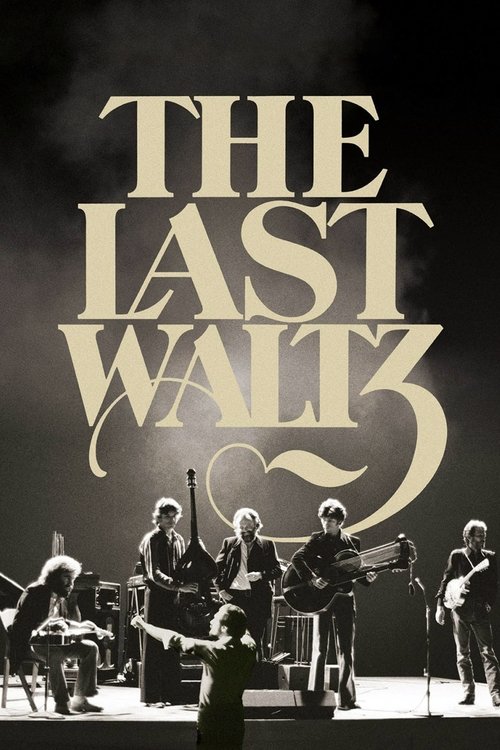
The Last Waltz
1978
No user ratings available yet
Representation score: 5.6 out of 10
Representation Score
Fair
2011
NRDirector
Martin Scorsese
Runtime
208 minutes
Average Rating
No ratings yetNew Showbiz Analysis
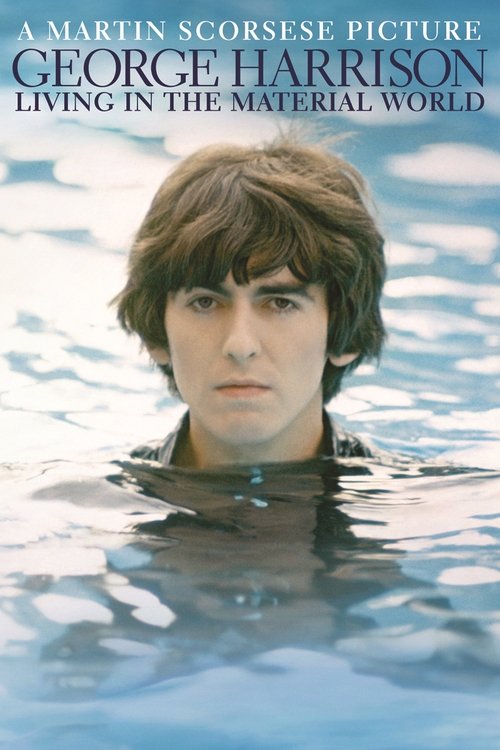
Martin Scorsese's portrayal of George Harrison is a study in spiritual transcendence that effectively challenges Western-centric pop narratives. By elevating Indian classical music and Eastern philosophy, the film goes beyond a simple biography to foster a meaningful cross-cultural exchange. However, the film adheres closely to conventional biographical structures. The narrative focus is predominantly male, often portraying women in Harrison's life as supporting figures rather than independent actors. Ultimately, the documentary's strength lies in its philosophical depth. It challenges Western materialist hierarchies by presenting Eastern traditions as primary sources of wisdom and empowerment.
Category Breakdown
The documentary focuses solely on Harrison's personal history and traditional family life, without emphasizing LGBTQ+ identities or non-traditional relationships.
The film primarily centers on the male experience of fame and spiritual growth. Women such as Pattie Boyd are shown mainly in relation to Harrison, rather than as independent individuals.
The film showcases cross-cultural exchange through Harrison's interactions with Ravi Shankar. Eastern musicians are portrayed as integral and influential figures in Harrison's spiritual journey.
The documentary promotes religious diversity by highlighting Hindu devotion and Vedic philosophy. It critiques Western materialism and consumerism while presenting Eastern spirituality as a primary source of wisdom.
There are no significant portrayals of physical or cognitive disabilities that play a central role in this biographical film.
Present on Screen
Limited or Absent
Official Synopsis
Director Martin Scorsese profiles former Beatle George Harrison in this reverent portrait that mixes interviews and archival footage, featuring commentary from the likes of Paul McCartney, Eric Clapton, Ringo Starr and Yoko Ono.
1978
2005
2019

2013
2012
2018
2015
2008
No reviews yet. Be the first to share your thoughts on this movie!
Use the rating form above to leave a star rating and optional review.