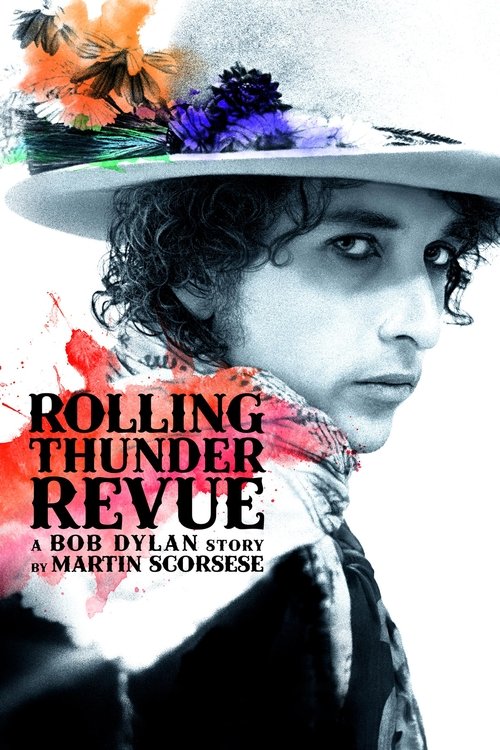
Rolling Thunder Revue: A Bob Dylan Story by Martin Scorsese
2019
No user ratings available yet
Representation score: 4.6 out of 10
Representation Score
Fair
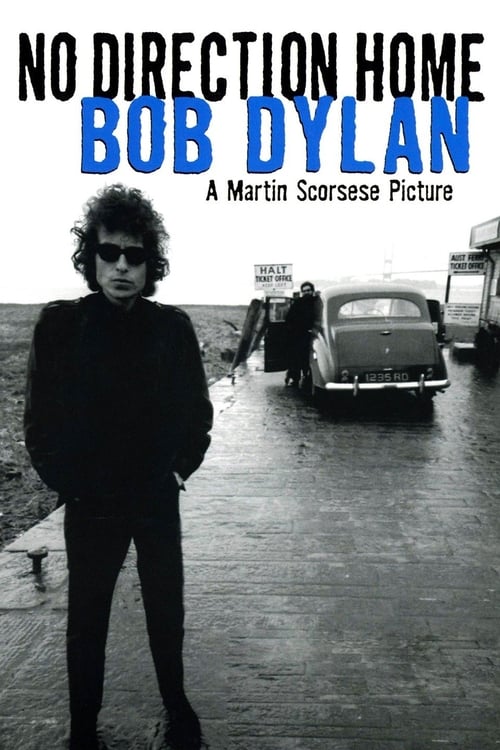
2005
Not RatedDirector
Martin Scorsese
Runtime
208 minutes
Average Rating
No ratings yetNew Showbiz Analysis
Martin Scorsese’s documentary provides a sophisticated study of cultural disruption rather than a traditional biography. It excels at deconstructing how an artist navigates and challenges established institutions and the music industry's commercial pressures. However, the film's scope is narrow, focusing heavily on the male-dominated folk-to-rock transition. This results in a lack of depth regarding different aspects of identity, such as LGBTQ+ identities and independent women's ability to drive the story. Ultimately, the work prioritizes the evolution of artistic independence and systemic social shifts over the explicit representation of diverse demographic identities.
Category Breakdown
The film focuses on Bob Dylan's musical evolution and the 1960s cultural landscape. It does not center on LGBTQ+ identities or non-cisgender narratives.
The narrative centers on male-dominated folk and rock scenes. Women like Suze Rotolo appear, but they are often viewed through Dylan's personal journey rather than as independent agents.
The film highlights mid-century racial tensions through protest music. While the folk scene depicted is predominantly white, the narrative acknowledges the broader civil rights context.
The documentary examines the conflict between individual expression and institutional authority. It portrays the struggle between artistic authenticity and the restrictive structures of the music industry.
The film does not explicitly address visible or invisible disabilities as a central narrative component.
Present on Screen
Limited or Absent
Official Synopsis
A chronicle of Bob Dylan's strange evolution between 1961 and 1966 from folk singer to protest singer to "voice of a generation" to rock star.
2019
1978
2011
2010

2012
2008
2016
2015
No reviews yet. Be the first to share your thoughts on this movie!
Use the rating form above to leave a star rating and optional review.