The Mortal Storm
1940
No user ratings available yet
Representation score: 4.4 out of 10
Representation Score
Fair
1978
Director
Tankred Dorst
Runtime
104 minutes
Average Rating
No ratings yetNew Showbiz Analysis
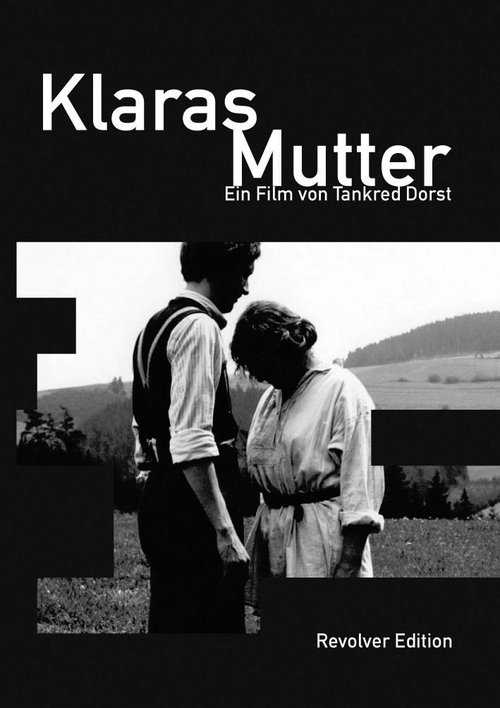
Tankred Dorst’s drama uses a micro-societal setting to examine the breakdown of communal empathy during the rise of Nazism. By focusing on the Falk family and the Polish character Kupka, the story highlights how systemic oppression targets those who deviate from the established norm. This provides a meaningful critique of ideological homogeneity. However, the film remains rooted in the dramatic traditions of its era, offering limited visibility for LGBTQ+ identities or specific disability representation.
Category Breakdown
The film does not explicitly depict LGBTQ+ identities or same-sex relationships. The Falk family's unconventional lifestyle might hint at social non-conformity, but no specific LGBTQ+ presence is confirmed.
The title suggests a focus on maternal roles and female domesticity. However, the film does not provide complex female character arcs or challenge traditional gender hierarchies.
The inclusion of Kupka, a Polish man, introduces an ethnic outsider to the German village. This helps the film explore xenophobia and the process of 'othering' within a homogeneous community.
The narrative critiques nationalist structures by framing the villagers' suspicion of the Falk family as political hostility. It explores the tension between conservative social institutions and radical political shifts.
There are no specific details or character depictions regarding disability within the film's narrative.
Present on Screen
Limited or Absent
Official Synopsis
A little village in Franconian Thuringia in the early 1930s. The family Falk belongs to the non-natives: The villagers treat them with suspicion due to their unconventional lifestyle and call them communists. One day, the young Polish man Kupka comes to their house. Film about the coming of nazism.
1940
1969
1980
1969
1973
1961
2006
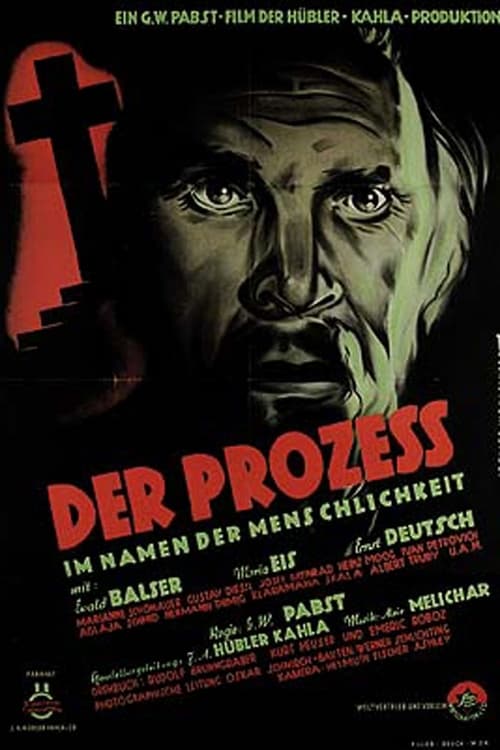
1948
No reviews yet. Be the first to share your thoughts on this movie!
Use the rating form above to leave a star rating and optional review.