
David
1979
No user ratings available yet
Representation score: 3.7 out of 10
Representation Score
Fair
2006
Director
Jörg Grünler
Runtime
180 minutes
Average Rating
No ratings yetNew Showbiz Analysis
The film stands out by centering the experiences of a Black German child during the Nazi era, challenging the idea of a racially homogeneous Germany. It provides a unique perspective on Black indigeneity within a Western European historical context. While the film excels in critiquing racial and cultural issues, it does not engage significantly with LGBTQ+ identities or disability representation. The gender dynamics are evident through the maternal bond, but do not challenge traditional roles.
Category Breakdown
The film does not explicitly address queer narratives or non-straight identities.
The story revolves around a young boy and his mother in a working-class environment during World War II. The mother serves as a protector and stabilizing force.
The film highlights a Black German child in Nazi Germany, giving this character a significant role in driving the story and disrupting Eurocentric narratives.
It critiques the corruption of Western institutions and the indoctrination of the Hitler Youth, presenting the social order as oppressive and nationalistic.
There is no information about the portrayal of physical or neurodivergent disabilities in the film.
Present on Screen
Limited or Absent
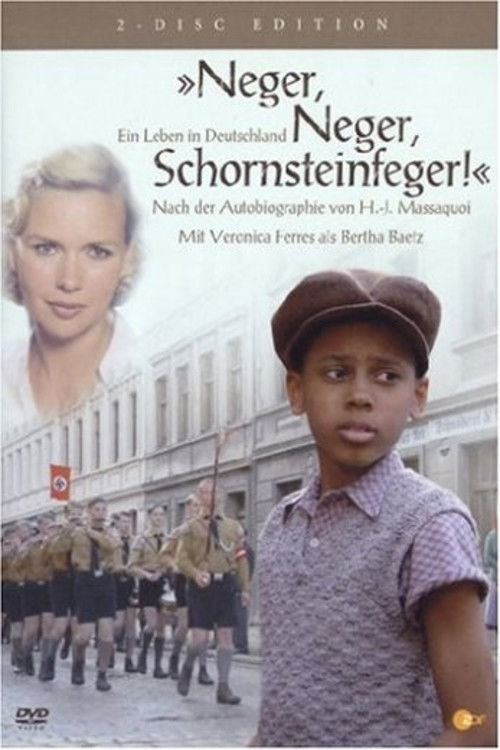
Official Synopsis
This drama is based on the childhood memories of Hans Jürgen Massaquoi, who was one of the few black native Germans in Nazi Germany. In 1935 at the age of nine, he lives with his German mother in a small flat in Hamburg's working class district Barmbek, while his father and grandfather had left the country. Although the boy is not persecuted by the Nazis and dreams of joining the Hitler Youth, his skin color makes him a target for racist abuse...
1979

2019
1980

2016

1987

1997
2008

2018
No reviews yet. Be the first to share your thoughts on this movie!
Use the rating form above to leave a star rating and optional review.