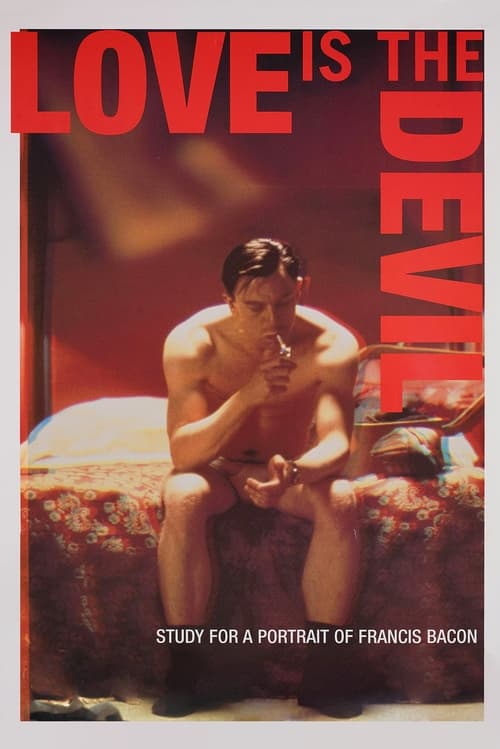
Love Is the Devil: Study for a Portrait of Francis Bacon
1998
No user ratings available yet
Representation score: 8.6 out of 10
Representation Score
Fair
1990
PG-13Director
Robert Altman
Runtime
140 minutes
Average Rating
No ratings yetNew Showbiz Analysis
Robert Altman directs the film with a focus on naturalistic storytelling and complex characters. The film excels as a detailed look at emotional bonds and modern isolation, using a non-linear structure to explore the human experience. However, the film's narrow focus on a specific group limits its broader impact. The lack of diversity and female characters restricts its reach. Ultimately, the film serves as a focused character study, challenging traditional storytelling while remaining grounded in a particular social context.
Category Breakdown
The film delves into deep emotional connections between two male protagonists. Though it doesn't explicitly label their relationship, the strong bond between them challenges typical ideas about masculinity.
The movie focuses mainly on male characters and dynamics. Female characters and perspectives are largely absent, which limits the range of gender experiences shown.
The cast and setting are mostly made up of white Europeans and Americans. There is no significant diversity in terms of race or ethnicity.
The film highlights existential dilemmas and moral ambiguity in a secular environment. Characters face personal challenges without relying on traditional religious or familial support systems.
The film does not focus on physical or cognitive disabilities. The characters' struggles are more about psychological and existential issues rather than disabilities.
Present on Screen
Limited or Absent
Official Synopsis
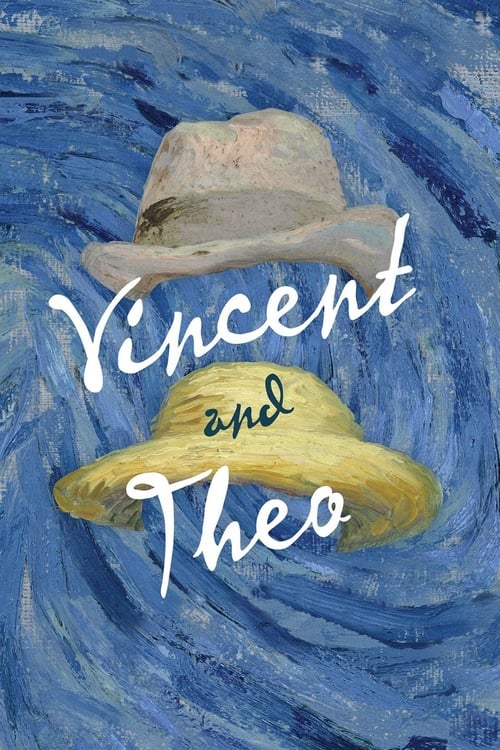
The tragic story of Vincent van Gogh broadened by focusing as well on his brother Theodore, who helped support Vincent. Based on the letters written between the two.
1998

1991

1998

1982
2019

1996
1977
1998
No reviews yet. Be the first to share your thoughts on this movie!
Use the rating form above to leave a star rating and optional review.