
The Portuguese Nun
2009
No user ratings available yet
Diversity score: 3.4 out of 10
2019
RDirector
Julien Landais
Runtime
90 minutes
Average Rating
No ratings yetSynopsis
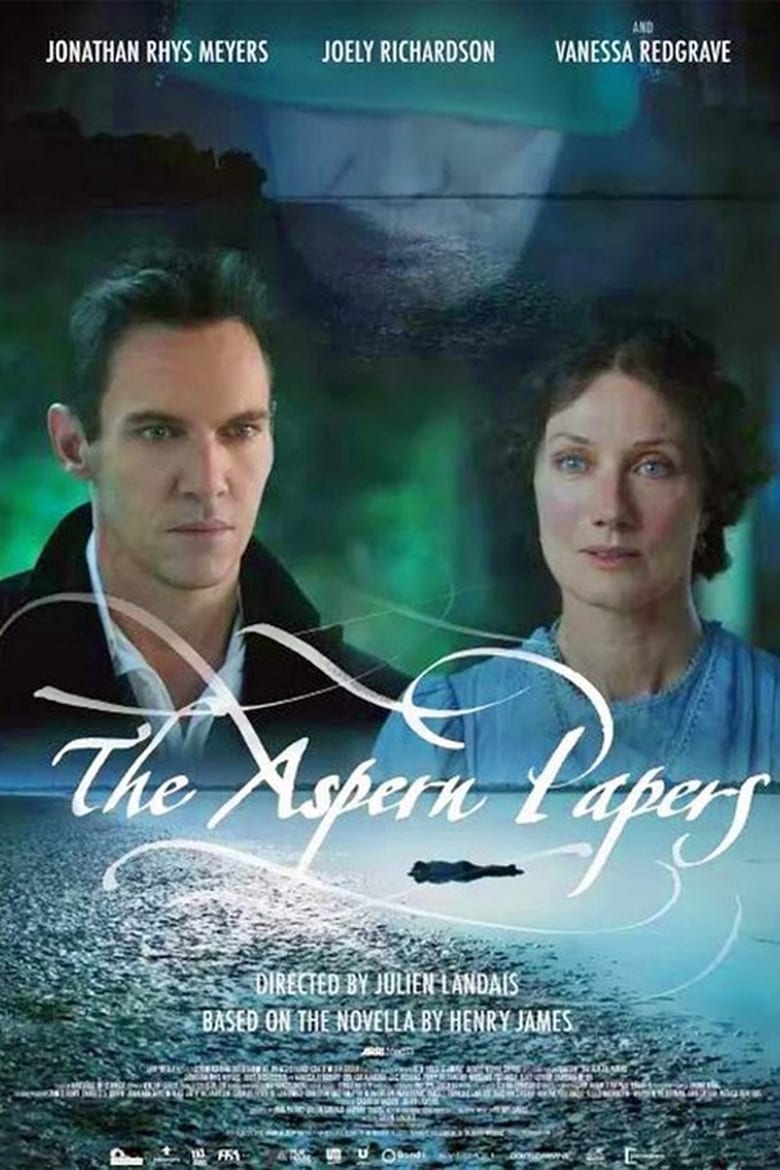
A young writer tries to obtain romance letters a poet sent to his mistress.
Overall Score
Limited
Category Breakdown
LGBTQ+ Representation
The film adheres to traditional heteronormative structures. The central conflict revolves around a romantic pursuit between a male protagonist and a female lead.
Gender Representation
The female lead functions as a central figure of mystery and agency. However, the story remains rooted in traditional romantic tropes and the male gaze.
Racial & Ethnic Diversity
Set in early 1900s Vienna, the film features a predominantly white, Eurocentric cast. It lacks intentional racial blending or diverse casting to disrupt historical norms.
Religious & Cultural Diversity
The narrative operates within the established social norms of the early 20th-century European intelligentsia. It focuses on individual obsession rather than systemic critique.
Disability Representation
There is no visible representation of neurodivergence or physical disability. Character struggles are primarily emotional and psychological in nature.
Strengths
Areas for Improvement
AI Analysis
The Aspern Papers is a period drama that prioritizes historical atmosphere and psychological obsession over social deconstruction. It follows conventional storytelling paths, focusing on Eurocentric and heteronormative dynamics. The film's setting in turn-of-the-century Vienna dictates a cast that is almost entirely white and upper-middle-class. This reflects the historical context but offers little in the way of diverse or intersectional perspectives. While the female lead holds significant narrative agency, the film ultimately centers on a male protagonist's obsession. This reliance on traditional romantic tropes prevents a more progressive exploration of gender hierarchies.
2009
1942
1990

2021

2004

2012

2023
1990
1935

2020

2019
2009
No reviews yet. Be the first to share your thoughts on this movie!
Use the rating form above to leave a star rating and optional review.