Carried Away
1998
No user ratings available yet
Representation score: 3.2 out of 10
Representation Score
Fair
1999
PG-13Director
Paul Davids
Runtime
98 minutes
Average Rating
No ratings yetNew Showbiz Analysis
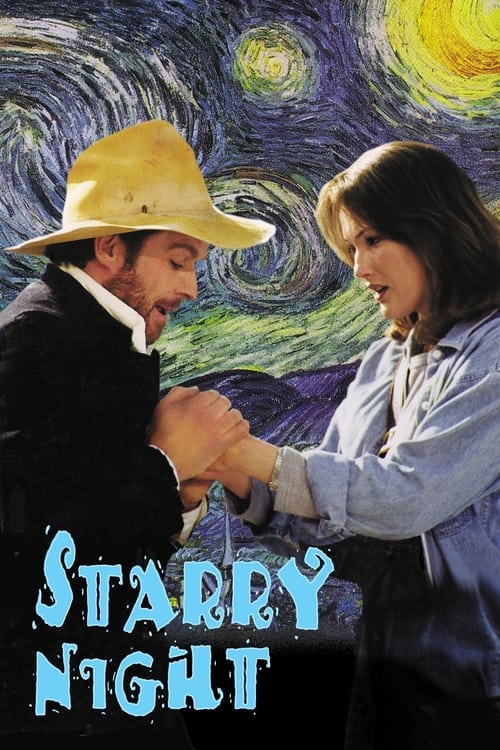
Starry Night is a character study rooted in historical magical realism. It successfully disrupts conventional expectations of legacy by framing the artist as a victim of his own posthumous success. This provides a meaningful critique of how institutions exploit individual genius. However, the film lacks diversity and complexity in its representation of various identities. It functions primarily as a traditional, Eurocentric biographical drama that fails to engage with a wide range of backgrounds. Ultimately, while the film offers intellectual depth regarding the commodification of art, it remains limited by its narrow focus on a singular, historically specific perspective.
Category Breakdown
The film focuses on the protagonist's struggle with identity and authenticity. There is no explicit evidence of queer-coded subtext or non-cisgender identities within the narrative.
The story centers on a singular male protagonist, leaning into the 'tortured male genius' cliché. It lacks diverse female roles or a challenge to traditional gender roles.
The narrative centers on a Eurocentric historical figure. There is no indication of a non-Anglo-Saxon majority cast or race-bent casting to disrupt historical depictions.
The film offers a critique of art commodification and capitalist valuation. By showing the artist reclaiming his work, it introduces themes of moral relativism and property.
The film's portrayal of Van Gogh's psychological state remains unconfirmed. It avoids explicit mentions of neurodivergence or physical disability in the provided narrative framework.
Present on Screen
Limited or Absent
Official Synopsis
Vincent Van Gogh comes back to life after being the recipient of a magic potion. He finds that his work has become quite valuable, and begins stealing his works. At the same time, he has a hard time getting anyone to believe he's really Van Gogh.
1998
1991
2017
1989
1998

2011
2015
2000
No reviews yet. Be the first to share your thoughts on this movie!
Use the rating form above to leave a star rating and optional review.