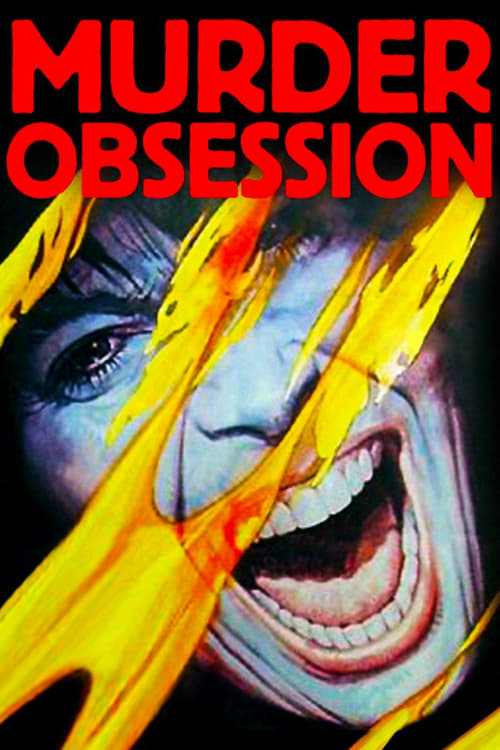
Murder Obsession
1981
No user ratings available yet
Representation score: 3.5 out of 10
Representation Score
Limited
1989
Director
Bruno Gaburro
Runtime
80 minutes
Average Rating
No ratings yetNew Showbiz Analysis
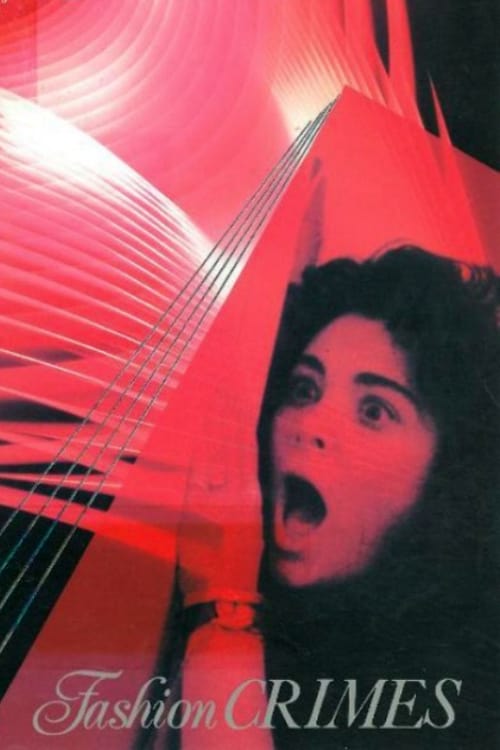
Fashion Crimes adheres to the conventional boundaries of late-80s European genre cinema. The film prioritizes traditional mystery and horror clichés over any intentional disruption of social hierarchies or diverse representation. While Gloria provides a central female perspective, the structural power dynamics favor male characters in investigative and expert roles. The setting and cast reflect a homogeneous, Eurocentric social structure typical of the era's mystery productions. Overall, the film sticks to established genre expectations. It lacks the complexity needed to challenge traditional gender, racial, or cultural norms, focusing instead on a standard investigative framework.
Category Breakdown
The film does not explicitly mention LGBTQ+ characters or non-binary identities. It follows traditional storytelling patterns focused on heterosexual relationships.
Gloria plays a key role as the main witness and plot catalyst. However, the investigative power is held by male characters, who dominate expert roles.
The story focuses on Eurocentric characters, including a German Countess and an Italian cast. There is no indication of diverse racial or ethnic backgrounds.
The film relies on Western mystery clichés and social hierarchies, such as class distinctions between models and aristocrats. It does not critique Western institutions.
No characters are shown to have physical or neurodivergent disabilities. There is no portrayal of disability influencing the narrative.
Present on Screen
Limited or Absent
Official Synopsis
On her way home, a fashion model, Gloria, saw a man fought against a woman and killed her in a strangely noisy room in the old villa where a German Countess named Greta Stella used to live. But when the police Commissioner, who is crazy about fishing, and his dull assistant go to the problematic villa in the next morning, the villa is perceived to have been empty for twenty years and there seems to be nothing criminal left. And then Gloria asks help from a playboy-typed psychiatrist, Gianmarco Contini, who is one of the eight joint-owners of the problematic villa...
1981
1971
1988

1964
2017
1971
2001

1987
No reviews yet. Be the first to share your thoughts on this movie!
Use the rating form above to leave a star rating and optional review.