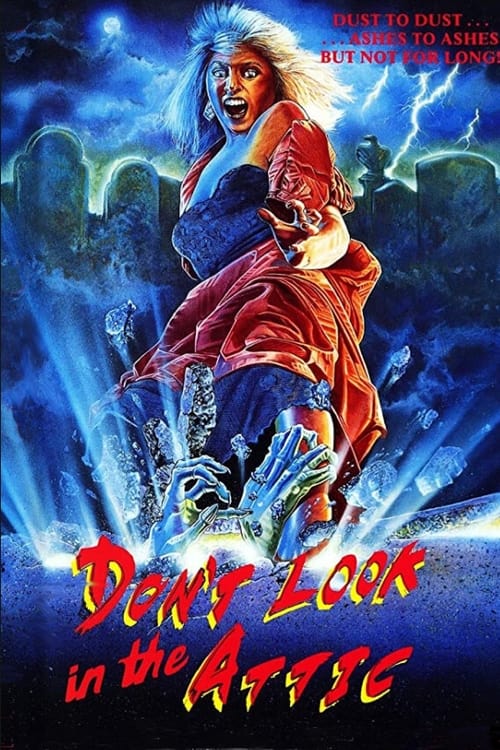
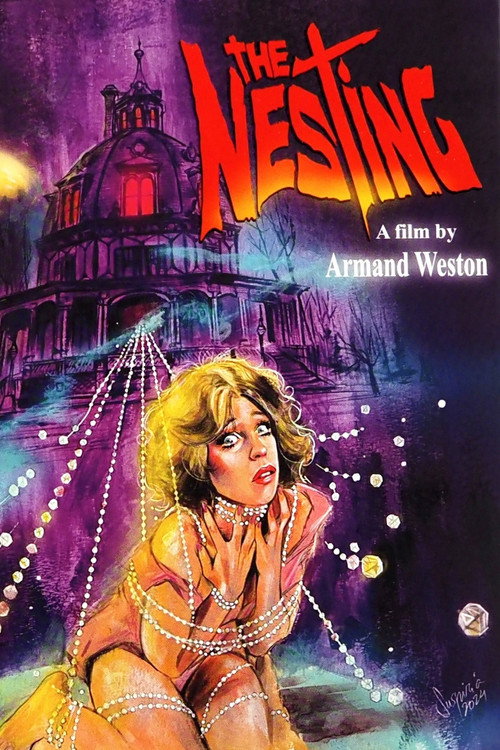
Don't Look in the Attic
1982
No user ratings available yet
Representation score: 0.8 out of 10
Representation Score
Good
1981
RDirector
Armand Weston
Runtime
104 minutes
Average Rating
No ratings yetNew Showbiz Analysis
The film shifts away from patriarchal horror by centering female trauma and psychological vulnerability. It uses the protagonist's mental health to drive the narrative rather than relying on shock value. While the film lacks racial and explicit LGBTQ+ diversity, it critiques traditional social stability. It presents historical institutions as sites of hidden violence, offering a moderately progressive thematic profile. Ultimately, the work focuses on the historical experiences of underrepresented women.
Category Breakdown
The film does not explicitly include LGBTQ+ identities or romantic relationships. Instead, it focuses on the spectral presence of women from a historical massacre, offering subtle interest without clear non-cisgender character arcs.
Lauren Cochran’s role as a novelist drives the story. The film highlights the grievances of female victims, challenging traditional masculine leadership and the 'damsel in distress' cliché.
The cast appears predominantly white and Anglo-Saxon. There is no evidence of racial blending or diverse ethnic representation in the rural New York setting.
The film deconstructs the Victorian mansion as a symbol of stability, reframing it as a site of historical violence and systemic harm.
The protagonist's agoraphobia is central to her identity rather than just a plot device. Her mental health condition shapes the supernatural experience.
Present on Screen
Limited or Absent
Official Synopsis
A New York writer of gothic fiction finds her mansion full of ghosts from a brothel massacre.
1982
1977
2013

1977

1982
1972
1963
1971
No reviews yet. Be the first to share your thoughts on this movie!
Use the rating form above to leave a star rating and optional review.