Angel's Fall
2005
No user ratings available yet
Representation score: 3.4 out of 10
Representation Score
Fair
1985
Director
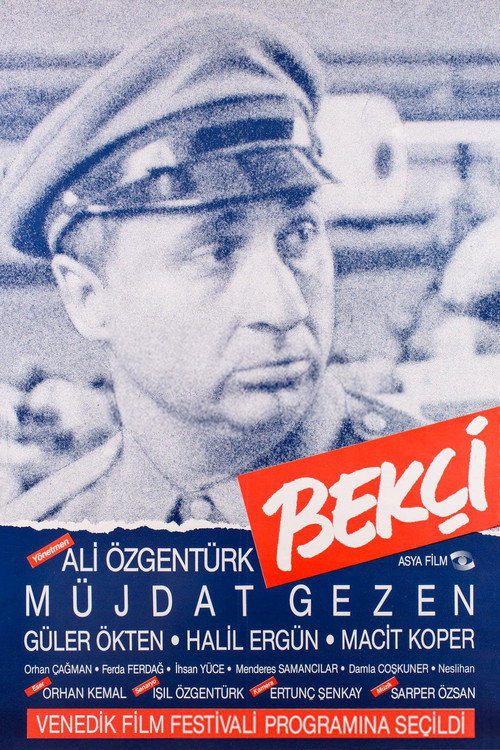
Ali Özgentürk
Runtime
101 minutes
Average Rating
No ratings yetNew Showbiz Analysis
Ali Özgentürk’s drama offers a somber critique of rigid social roles and the psychological toll of institutionalized duty. The film succeeds in dismantling the myth of the competent patriarchal provider by portraying Murtaza as a deluded and unstable figure. While the film provides a strong social critique of traditional authority, it lacks explicit representation of LGBTQ+ identities. The female characters, though central to the tragedy, are largely defined by their silence and suffering under domestic oppression. Ultimately, the film functions as a deconstruction of the stable, traditional home. It prioritizes a tragic examination of systemic dysfunction over the reinforcement of conventional social norms.
Category Breakdown
The film adheres to a traditional domestic framework without exploring non-straight identities or stories that challenge the assumption that everyone is straight.
Murtaza’s incompetence challenges the stereotype of the stable male authority figure. However, the wife and daughters are shown in positions of suffering and silence, reflecting systemic oppression rather than women's ability to drive the story.
As a Turkish production, the film provides a localized perspective. It does not specifically highlight ethnic diversity among the cast, maintaining a baseline for its cultural context.
The narrative critiques traditional institutions by framing the 'duty' of a security guard as a catalyst for tragedy. It deconstructs the idealized family unit as a site of dysfunction.
The film explores psychological instability through Murtaza’s psychotic delusions. However, the portrayal risks using mental health as a tragic engine rather than providing a nuanced exploration of neurodivergence.
Present on Screen
Limited or Absent
Official Synopsis
In this film that wavers unsteadily between a comedy and a tragedy, Murtaza (Mujdat Gezen) is a deluded security guard whose fanatical reverence for "duty" verges on the psychotic. He is incapable of seeing himself for what he is -- and as a consequence he is often the unwitting and unknowing brunt of jokes. His wife and daughters are painfully aware of his shortcomings, but they generally suffer in silence. One of the daughters ends up working in the factory to help the family out financially, and when Murtaza finds her sleeping on the job one night he hits her so hard she eventually dies from the blow. Though that is not the end of it, by any means.
2005

1977
2001

1997
1980

1985
1980
1984
No reviews yet. Be the first to share your thoughts on this movie!
Use the rating form above to leave a star rating and optional review.