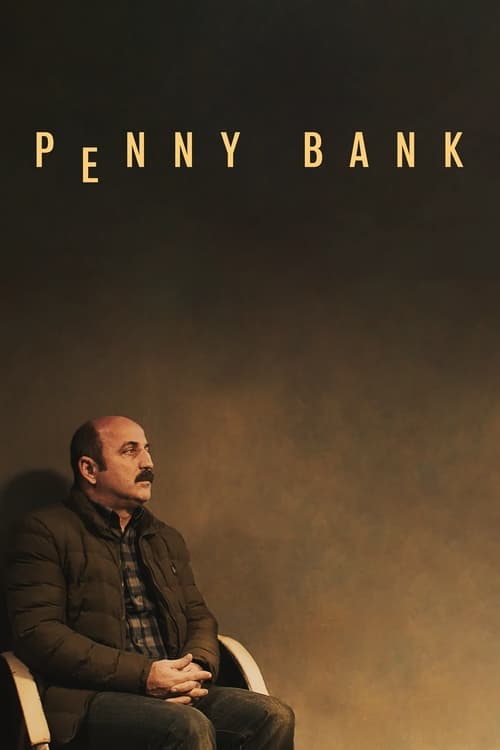
Penny Bank
2020
No user ratings available yet
Representation score: 5.0 out of 10

Representation Score
Fair
2018
Director
Çağan Irmak
Runtime
116 minutes
Average Rating
No ratings yetNew Showbiz Analysis
Remember Us is a period drama that prioritizes historical authenticity and class-based critique over modern characters who reflect more than one aspect of diversity. It succeeds in deconstructing social hierarchies and examining the friction within traditional institutions during a time of political instability. However, the film lacks specific markers of contemporary progressive identity politics. The focus remains on the socioeconomic divide and the erosion of social cohesion rather than diverse identity-driven narratives. Ultimately, the film functions as a study of 1960s Turkey, where the absence of non-normative representation reflects the era's social constraints.
Category Breakdown
The film focuses on traditional family structures typical of the 1960s. It does not include any visible representation of LGBTQ+ identities or narratives that challenge the assumption that everyone is straight or cisgender.
Gender roles reflect traditional mid-century Turkish hierarchies. Women are given nuanced character studies, but the narrative power dynamics remain centered on patriarchal lineage and male professional achievement.
The cast is largely ethnically homogeneous, reflecting the regional setting. However, the film contrasts bourgeois and working-class experiences, avoiding a monolithic perspective.
The story engages with socioeconomic struggles and political upheaval in 1960s Turkey. It critiques established social hierarchies and the tensions within traditional class structures.
There is no prominent depiction of physical or neurodivergent disabilities. The narrative focuses on the psychological burdens of aging and class rather than lived experiences of disability.
Present on Screen
Limited or Absent
Official Synopsis
Kaan has difficulty getting a higher position in his work where he has built a good career. While he was occupied with his wife, children and his work, he has pretty much neglected his father. Until one day he is obliged to take care of him.
2020

1989

2017

1996

2018
2018
2020

2020
No reviews yet. Be the first to share your thoughts on this movie!
Use the rating form above to leave a star rating and optional review.