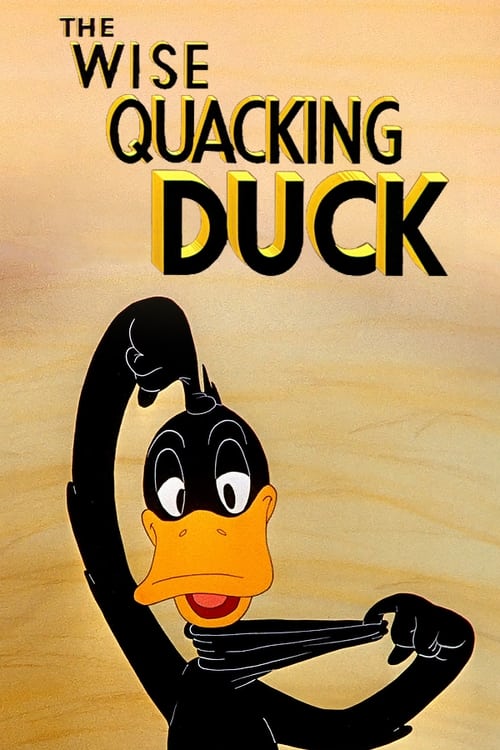
The Wise Quacking Duck
1943
No user ratings available yet
Diversity score: 1.3 out of 10
1946
NRDirector
Robert Clampett
Runtime
8 minutes
Average Rating
No ratings yetSynopsis
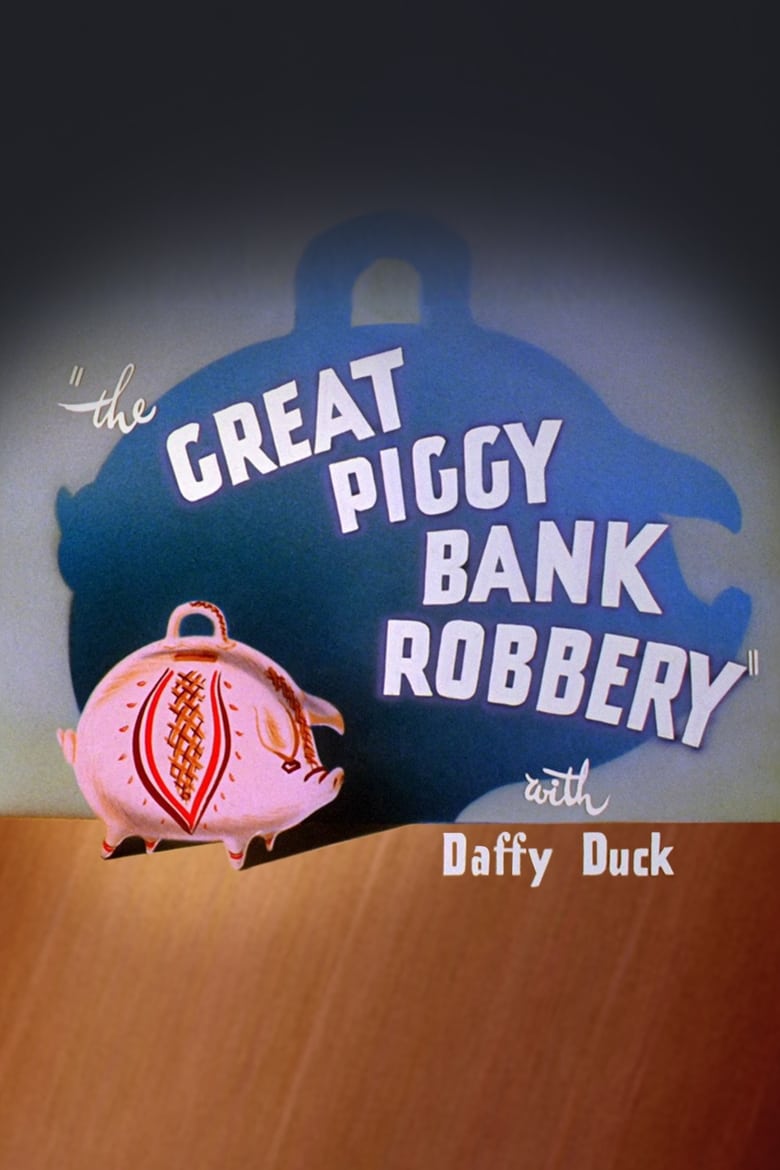
While reading his favorite comic book, Daffy accidentally knocks himself unconscious and dreams he's Duck Twacy, famous detective, trying to solve the case of the missing piggy banks. Taking a streetcar (conducted by Porky Pig, in a non-speaking cameo role) to the gangsters' hideout, he meets up with such grotesque criminals as Pickle Puss, Eighty-Eight Teeth and Neon Noodle.
Overall Score
Minimal
Category Breakdown
LGBTQ+ Representation
The film lacks LGBTQ+ characters or explorations of non-heteronormative identities. Character dynamics focus strictly on the detective-versus-criminal archetype.
Gender Representation
The narrative leans into hyper-masculine noir tropes through Daffy's detective persona. The cast consists of male-coded animal characters with no female presence or agency.
Racial & Ethnic Diversity
The cast is a homogeneous group of anthropomorphic animals. The stylized urban setting lacks multiculturalism or diverse ethnic representation.
Religious & Cultural Diversity
Crime is presented as a slapstick comedic device rather than a critique of systemic issues. Morality follows a traditional, binary structure typical of the era.
Disability Representation
No characters are depicted with visible or invisible disabilities. Slapstick violence is used for kinetic humor rather than exploring physical or neurodivergent agency.
Strengths
Areas for Improvement
AI Analysis
This Looney Tunes short functions as a stylized musical noir parody. While it achieves technical excellence in rhythmic animation and slapstick timing, the thematic content remains rooted in mid-century animation tropes. The film prioritizes kinetic energy and genre parody over social or identity-based commentary. The narrative follows a dream-logic structure where Daffy Duck adopts a hard-boiled detective persona. However, the world-building is narrow, focusing on a homogeneous cast of animal characters within a traditionalist social framework. Ultimately, the film offers little in the way of intersectional representation. It maintains established masculine archetypes and lacks any meaningful disruption of conventional societal hierarchies.
1943
1942
1943
1942
1938
1937
1945
1946
1946
No reviews yet. Be the first to share your thoughts on this movie!
Use the rating form above to leave a star rating and optional review.