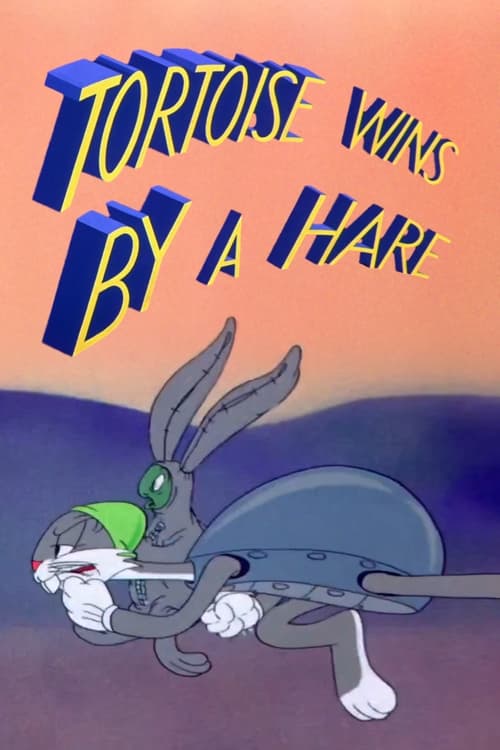
Tortoise Wins by a Hare
1943
No user ratings available yet
Diversity score: 1.1 out of 10
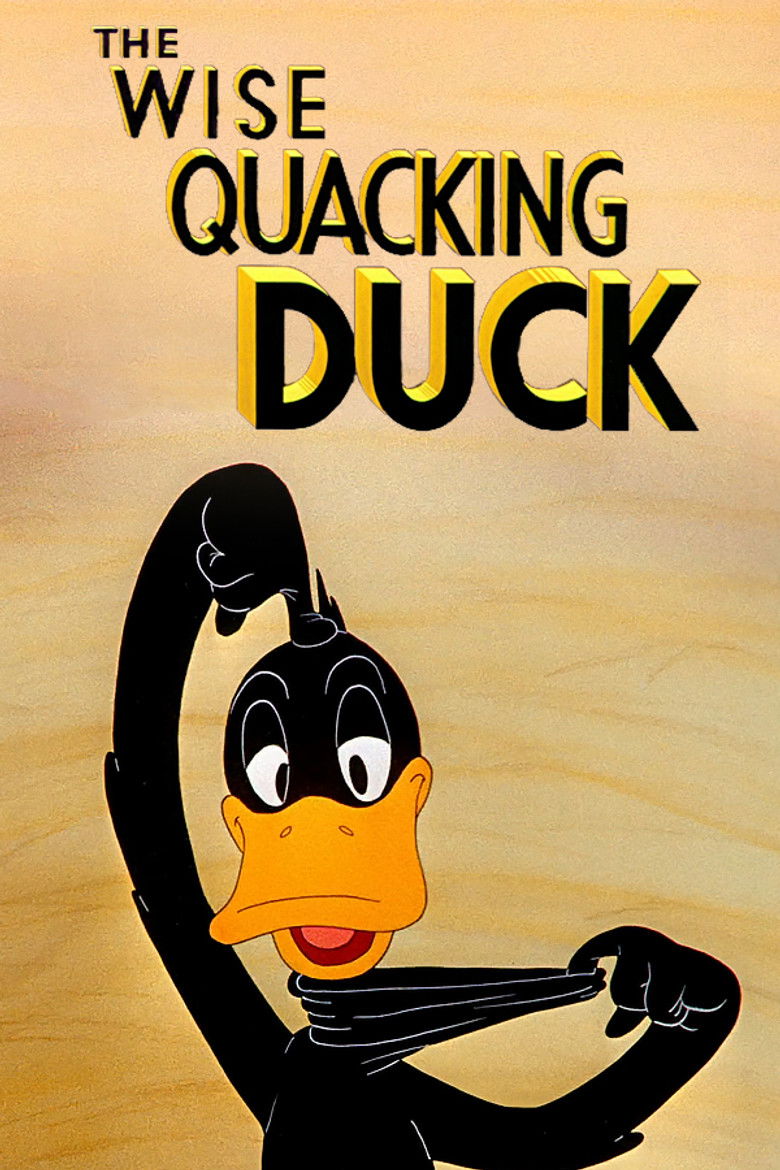
1943
NRDirector
Robert Clampett
Runtime
7 minutes
Average Rating
No ratings yetSynopsis
An exceedingly mild-mannered man is sent out to kill a duck for dinner by his wife. Unfortunately for him, he picks Daffy Duck as his victim. The two face off and do battle for the remainder of the cartoon.
Overall Score
Minimal
Category Breakdown
LGBTQ+ Representation
The film contains no depictions of non-cisnormative identities or queer-coded character arcs. The narrative focuses entirely on anthropomorphic interactions and slapstick comedy.
Gender Representation
The story relies on mid-century domestic tropes, featuring a wife who commands her husband to hunt for dinner. This reinforces a conventional patriarchal division of labor.
Racial & Ethnic Diversity
The character roster is homogeneous, set within a stylized, non-specific natural environment. There is no intentional effort to integrate diverse racial or ethnic perspectives.
Religious & Cultural Diversity
The short operates within a traditional Western comedic framework. It functions as standard commercial entertainment without engaging in any deconstruction of cultural institutions.
Disability Representation
No characters are depicted with visible or invisible disabilities. Slapstick violence serves as a comedic device rather than an exploration of physical or neurodivergent traits.
Strengths
Areas for Improvement
AI Analysis
The film is a product of its era, prioritizing kinetic slapstick and surrealist pacing over social commentary. Its narrative architecture is built around physical gags and musical tropes rather than progressive values. Representation is minimal, adhering to the standard production constraints and cultural norms of 1940s American animation. The work lacks any intentionality regarding intersectional identities or the subversion of established social hierarchies. Ultimately, the conflict remains purely situational and physical, offering no engagement with the disruption of traditional power dynamics or diverse perspectives.
1943
1942
1942
1938
1940
1945
1942
1958

1946
1944
1958
1939
No reviews yet. Be the first to share your thoughts on this movie!
Use the rating form above to leave a star rating and optional review.