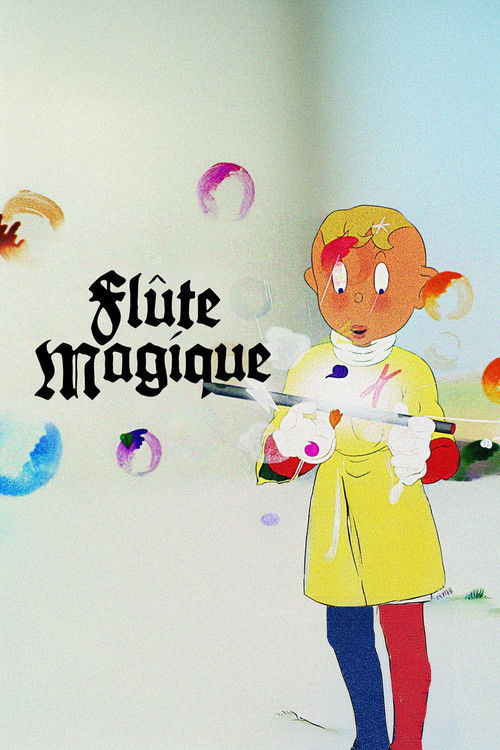
The Magic Flute
1946
No user ratings available yet
Representation score: 0.8 out of 10
Representation Score
Limited
1944
Director
Paul Grimault
Runtime
10 minutes
Average Rating
No ratings yetNew Showbiz Analysis
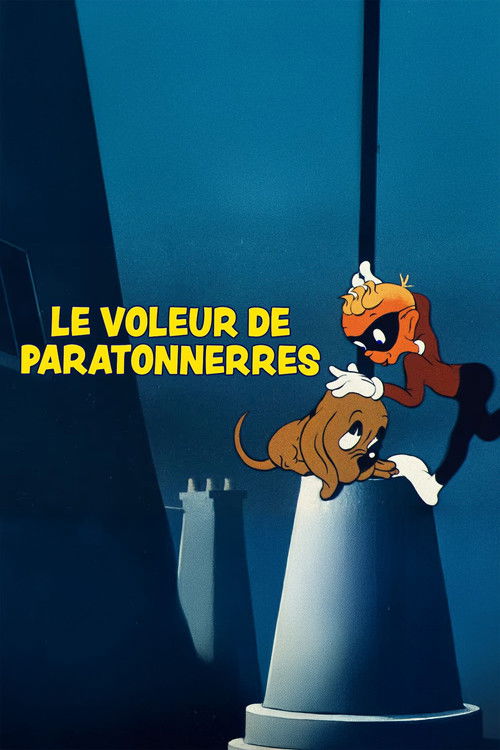
Paul Grimault’s work presents a sophisticated, lyrical alternative to the slapstick traditions of the 1940s. By centering the plot on a social transgressor who challenges authority, the film moves away from the heavy-handed moralism typical of mid-century animation. However, the film is limited by its historical context. Character dynamics are primarily male-dominated, and the racial and gender representation reflects the demographic norms of 1944 France rather than a diverse range of identities. Ultimately, the film's strength lies in its atmospheric storytelling and its potential to explore the tension between the individual and the state, even if it lacks modern multi-layered complexity.
Category Breakdown
The film does not include any representation of non-binary gender identities or same-sex relationships. The story focuses on the conflict between the thief and the police.
The story revolves around male-dominated roles such as the policemen and the thief. While the film doesn’t explicitly challenge traditional gender roles, the era's animation style sometimes allowed for more flexible character types compared to American productions.
The character designs likely reflect the demographics of 1944 France. Without specific evidence of diverse casting, the representation is limited by the historical context of the time.
The narrative highlights the tension between individual actions and institutional rules. By focusing on a thief, the film critiques institutional authority and explores personal morality.
There is no information available regarding the depiction of physical or neurodivergent traits in this work.
Present on Screen
Limited or Absent
Official Synopsis
An encounter on a rooftop between two policemen and a thief who specializes in lightning conductors.
1946
1926

1942

1957
1936
1943
1963
1984
No reviews yet. Be the first to share your thoughts on this movie!
Use the rating form above to leave a star rating and optional review.