Aladdin and the Magic Lamp
1954
No user ratings available yet
Representation score: 1.5 out of 10
Representation Score
Limited
1949
Director
Anton Gino Domenighini
Runtime
76 minutes
Average Rating
No ratings yetNew Showbiz Analysis
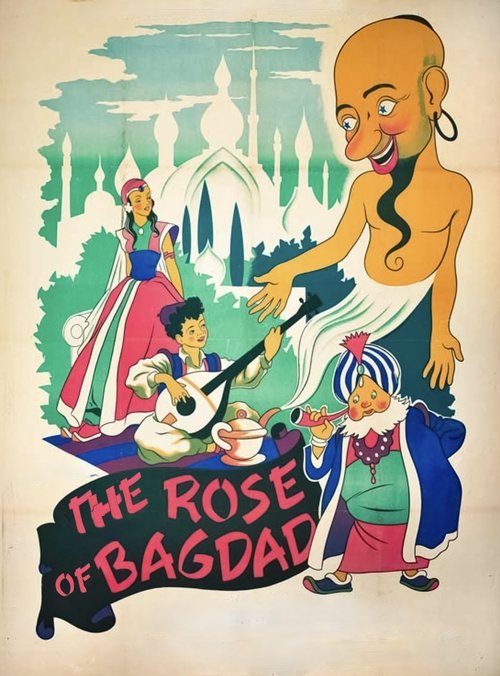
The Rose of Baghdad adheres to traditional storytelling methods common during the post-war era. It relies heavily on archetypal characters like the noble hero and the evil antagonist to convey a straightforward moral message. The narrative emphasizes established social hierarchies and traditional gender roles. Although set in a culturally specific environment, the story structure favors conventional stereotypes over nuanced representation.
Category Breakdown
The film does not include any non-straight or non-cisgender identities. It focuses on traditional romantic relationships without challenging these norms.
The story centers around Princess Zeila, who is treated as a prize for male characters to compete for. Men drive the main plot through conflict and active roles.
The film sets its story in a Middle Eastern context typical of 1949 animation. However, it leans on stereotypical Orientalist aesthetics and relies on conventional character types rather than offering deeper character development.
The plot draws from classical folklore and established mythologies, reinforcing traditional social order and moral binaries.
There are no visible or invisible disabilities mentioned or implied within the character descriptions.
Present on Screen
Limited or Absent
Official Synopsis
Princess Zeila, daughter of Caliph Oman III, is preparing to review the nobles who aspire to her hand. The sinister Prince Jafar plots in the shadows: the young musician Amin will see to it that love can triumph, with the help of the Genie of the Lamp.
1954
1926

2005
1980
1964
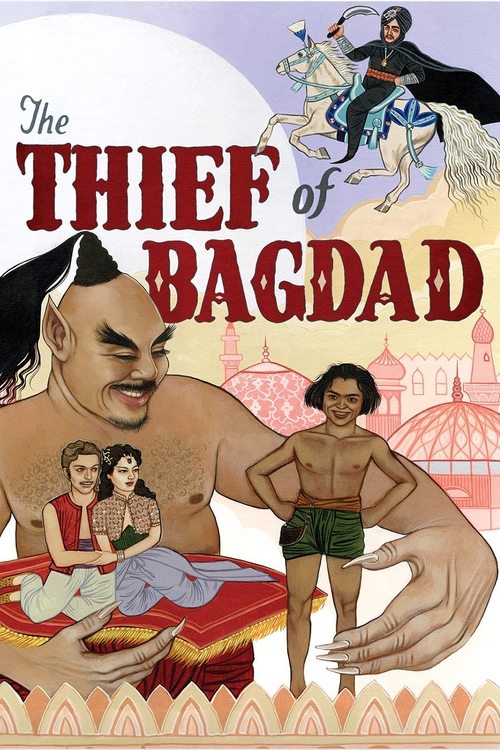
1940
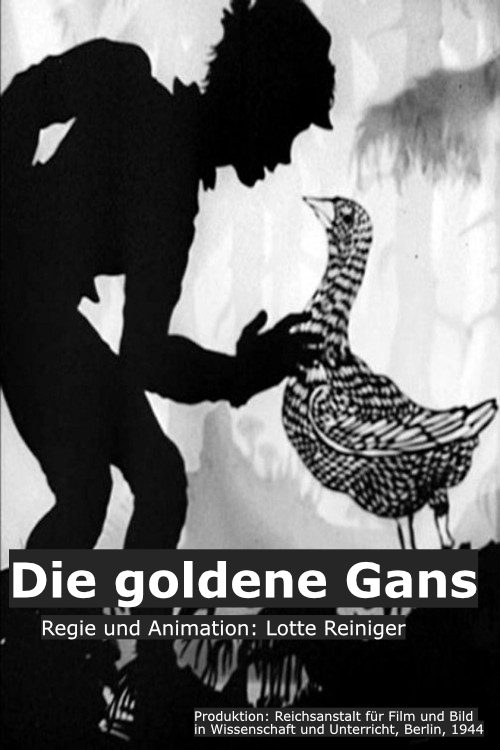
1944

1950
No reviews yet. Be the first to share your thoughts on this movie!
Use the rating form above to leave a star rating and optional review.