
Does This Mean We're Married?
1992
No user ratings available yet
Diversity score: 4.8 out of 10

1996
RDirector
Chantal Akerman
Runtime
104 minutes
Average Rating
No ratings yetSynopsis
A burnt-out New York psychoanalyst exchanges apartments with a Parisian woman. When his patients arrive, they talk to her and then pay. He returns early and becomes a patient as well.
Overall Score
Good
Category Breakdown
LGBTQ+ Representation
The film avoids heteronormative tropes by focusing on the fluidity of human connection. While lacking an explicit LGBTQ+ protagonist, the subtextual exploration of desire suggests a departure from rigid sexual hierarchies.
Gender Representation
Akerman subverts traditional hierarchies by prioritizing a feminine perspective. The narrative shifts agency toward female presence in spaces of intellectual and emotional authority, disrupting patriarchal stability.
Racial & Ethnic Diversity
Set in New York, the film presents a mosaic of urban identities. It avoids monolithic depictions, instead offering a pluralistic view of various cultural identities through fragmented, subjective voices.
Religious & Cultural Diversity
The film critiques Western urban structures through a lens of alienation and fragmentation. It prioritizes existential inquiry and individual truth over singular religious or nationalistic moralities.
Disability Representation
The focus on psychoanalysis allows for an exploration of mental health. Psychological distress is treated as an integral component of the human condition rather than a mere plot device.
Strengths
Areas for Improvement
AI Analysis
A Couch in New York succeeds in deconstructing traditional cinematic hierarchies, particularly through its subversion of gendered power dynamics. By centering emotional intelligence and psychological depth, the film moves away from patriarchal structures toward a more fluid understanding of experience. The film's setting provides a rich, multicultural backdrop that avoids reductive stereotyping. It captures the complex social fabric of New York through a pluralistic lens, though it remains more focused on subjective interiority than explicit identity politics. While the film offers nuanced explorations of mental health and identity ambiguity, it lacks a central, explicit focus on specific marginalized groups. It functions best as a contemplative study of human connection and urban alienation.
1992

2019

2015

1984

1972

1978

1957

1993

1972

2021

2000
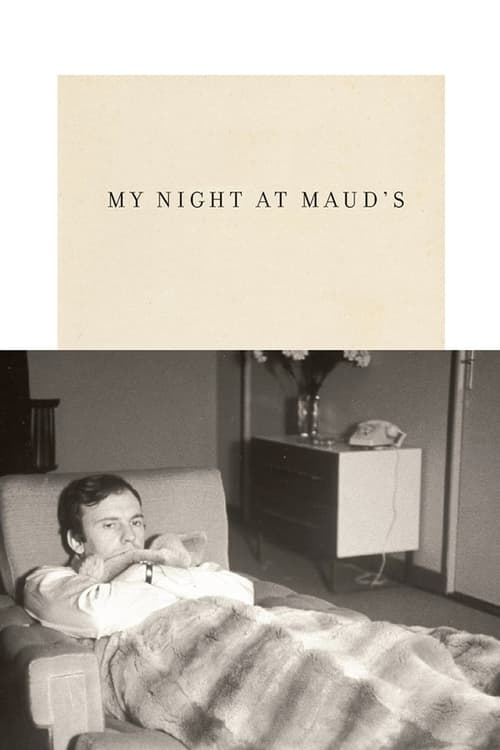
1969
No reviews yet. Be the first to share your thoughts on this movie!
Use the rating form above to leave a star rating and optional review.