Appalachian Spring
1959
No user ratings available yet
Representation score: 1.8 out of 10
Representation Score
Limited
1953
Director
Shirley Clarke
Runtime
7 minutes
Average Rating
No ratings yetNew Showbiz Analysis
Shirley Clarke’s documentary is a minimalist study of movement that prioritizes individual experiences over traditional narratives. While it lacks demographic breadth, it challenges the highly structured, commercialized media of the 1950s through its focus on physical expression. The film succeeds in deconstructing rigid gender archetypes by emphasizing the vulnerability and aesthetic fluidity of the male body. However, its singular focus on one performer results in a lack of racial and characters who reflect more than one aspect of diversity. Ultimately, the work functions as an exploration of spatial relationships and somatic experiences. It occupies a niche of artistic independence that favors abstract expression over social or systemic conflict.
Category Breakdown
The film does not explicitly address LGBTQ identities or romantic relationships. However, it emphasizes solitary, expressive movements that prioritize individual experiences over societal norms.
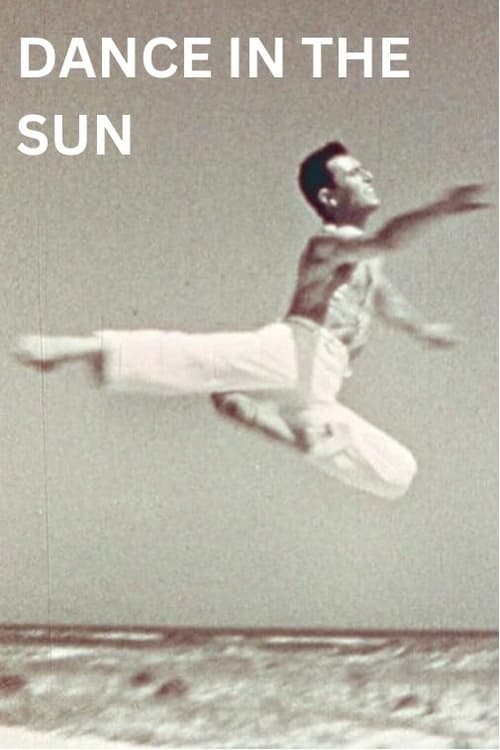
The narrative centers on male performer Daniel Nagrin. It offers a nuanced departure from 1950s archetypes by focusing on the vulnerability and aesthetic fluidity of the male form.
The film focuses on a singular performer in a controlled studio environment. There is no evidence of a diverse cast or characters representing different racial backgrounds.
The work aligns with a modernist, secularist framework. It prioritizes the abstract language of dance and the individual's relationship with nature over religious or traditional social institutions.
There is no documented evidence regarding the portrayal of neurodivergence or physical disabilities within this specific work.
Present on Screen
Limited or Absent
Official Synopsis
Choreographer Daniel Nagrin performs in a studio and in the sun.
1959

1964
1905

2015
1966
2015
2010
1906
No reviews yet. Be the first to share your thoughts on this movie!
Use the rating form above to leave a star rating and optional review.