Dance in the Sun
1953
No user ratings available yet
Representation score: 3.6 out of 10
Representation Score
Minimal
1959
Director
Peter Glushanok
Runtime
32 minutes
Average Rating
No ratings yetNew Showbiz Analysis
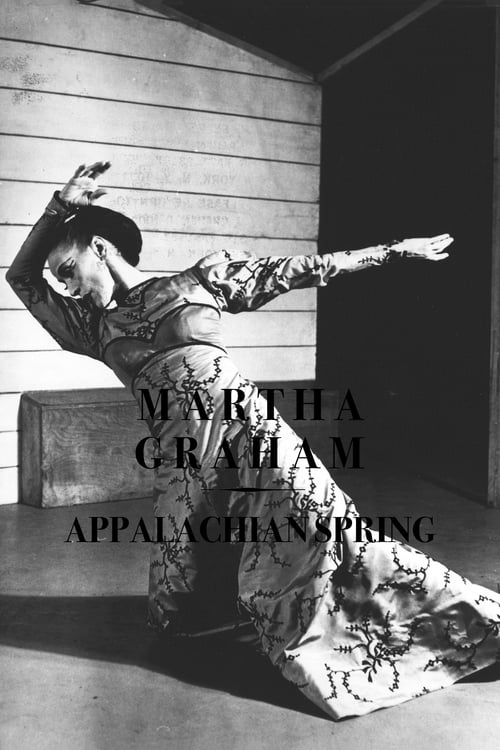
Appalachian Spring (1959) serves as a filmed preservation of Aaron Copland’s seminal ballet rather than a character-driven narrative. Because it functions as a musical documentary, it lacks the dialogue and character arcs necessary for deep social commentary. The work focuses on preserving high-art choreography and American folk traditions. It presents a traditionalist view of mid-century musical art, prioritizing the classical composition over the disruption of social hierarchies. Ultimately, the film acts as a cultural artifact. It captures a specific era of American pastoralism but does not intentionally promote diverse social perspectives.
Category Breakdown
The film does not include any LGBTQ+ identities. It focuses on a classical ballet and lacks narratives that challenge the assumption that everyone is straight or cisgender.
The representation aligns with traditional mid-century performance standards. There is no portrayal of masculinity in non-traditional ways or subversion of gender hierarchies.
The film engages with Appalachian folk identity but does not feature a diverse cast. It likely reflects the homogeneous depictions of rural Americana common to the period.
The film functions as a cultural artifact of mid-century musical expression. It focuses on American pastoralism without deconstructing traditional institutions or presenting anti-Western narratives.
There is no information regarding the inclusion of neurodivergent individuals or actors with physical disabilities in this production.
Present on Screen
Limited or Absent
Official Synopsis
A filmed version of Aaron Copland's most famous ballet, with its original star, who also choreographed.
1953
1951
1994
1957
2015
2010

2002
1970
No reviews yet. Be the first to share your thoughts on this movie!
Use the rating form above to leave a star rating and optional review.