Stephen King's World of Horror
1986
No user ratings available yet
Representation score: 0.5 out of 10
Representation Score
Fair
2002
UnratedDirector
Mike Mendez, Dave Parker
Runtime
90 minutes
Average Rating
No ratings yetNew Showbiz Analysis
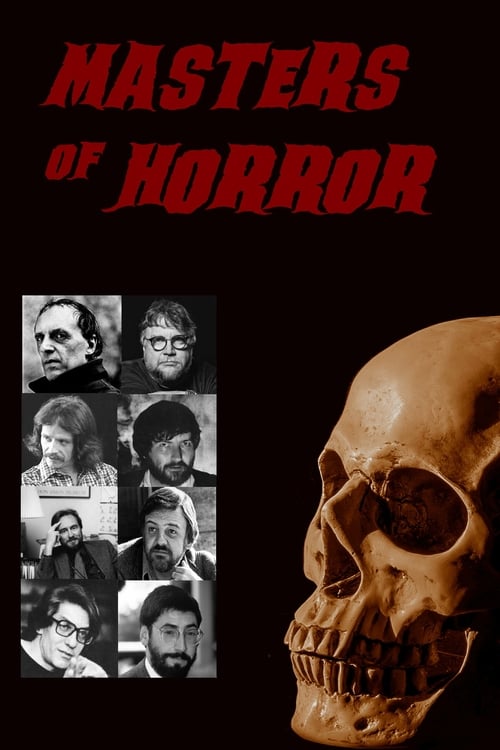
Masters of Horror functions as a traditional retrospective that honors directorial pedigree. By focusing on the technical mechanics of the genre, the series reinforces historical industry norms and conventional hierarchies. The anthology format centers the 'master' filmmaker, a role historically dominated by men. This creates a presentation that centers the male gaze and Western cinematic traditions over diverse perspectives. While the series showcases various horror segments, the overall curation tends to favor established icons. This results in a lack of representation for underrepresented groups and a reliance on traditional genre clichés.
Category Breakdown
The series emphasizes technical craftsmanship and directorial expertise rather than LGBTQ+ visibility. It highlights established genre masters, many of whom have limited LGBTQ+ representation.
The narrative centers around the director as an authoritative figure, highlighting a male-dominated industry. Women are primarily featured through horror film clips, often in traditional victim roles.
The curation favors established filmmakers, reflecting a lack of racial diversity. This reinforces a homogeneous view of horror authorship centered on Western cinematic traditions.
The series operates within a framework of Western cinematic appreciation and industry celebration. It focuses on the visceral experience of fear rather than complex social or systemic critiques.
Disability is often used as a narrative device to elicit fear in the showcased clips. Characters frequently lack control over their situations, serving mainly as plot devices or symbols of horror.
Present on Screen
Limited or Absent
Official Synopsis
Documentary showcasing the work of prominent film directors in the horror genre. Featuring interviews with the directors, behind the scenes footage and clips from popular horror films, and hosted by Bruce Campbell, star of The Evil Dead (1981).
1986
2019
2000
2010

2011
2022
1986
2018
No reviews yet. Be the first to share your thoughts on this movie!
Use the rating form above to leave a star rating and optional review.