Apocalypse Soon: The Making of 'Citizen Toxie'
2002
No user ratings available yet
Diversity score: 4.2 out of 10
2006
NRDirector
Jeff McQueen
Runtime
88 minutes
Average Rating
No ratings yetSynopsis
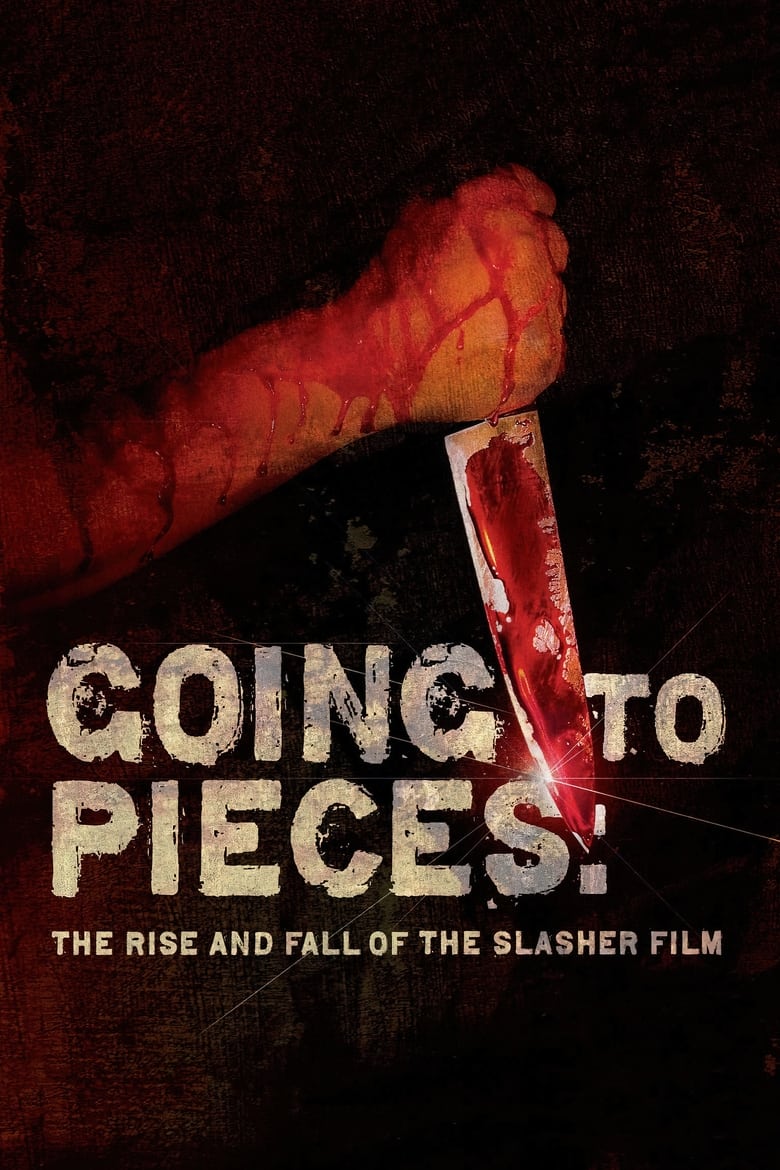
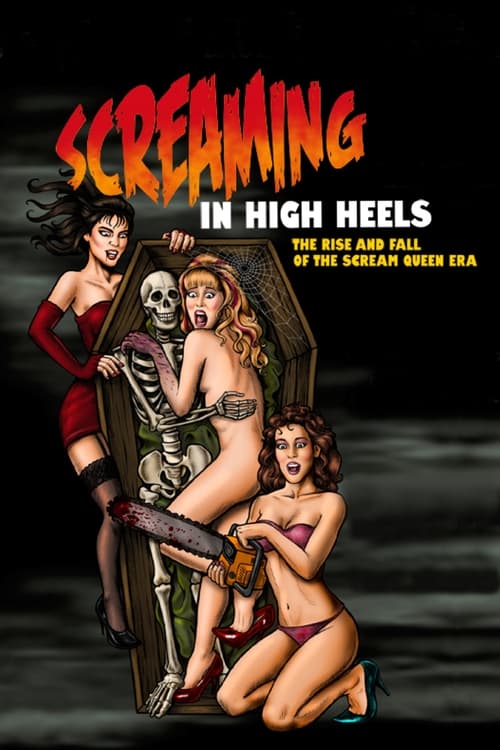
This historical and critical look at slasher films, which includes dozens of clips, begins with Halloween, Friday the 13th, and Prom Night. The films' directors, writers, producers, and special effects creators comment on the films' making and success. During the Reagan years, the films get gorier, budgets get smaller, and their appeal wanes. Then, Nightmare on Elm Street revives the genre. Jump to the late 90s, when Scream brings humor and TV stars into the mix.
Overall Score
Fair
Category Breakdown
LGBTQ+ Representation
The film examines how the slasher genre has historically used queer coding or punished non-heteronormative behavior. It approaches these themes through critical analysis rather than active, character-driven representation.
Gender Representation
The documentary explores the evolution of gendered roles, specifically focusing on the 'Final Girl' trope. It analyzes how female agency is constructed, restricted, or subverted throughout the genre's history.
Racial & Ethnic Diversity
The score reflects the historical lack of racial diversity and homogeneous casting within the slasher genre. The film critiques these systemic omissions within the era of cinema it studies.
Religious & Cultural Diversity
The film analyzes how cultural shifts, such as the transition from the Reagan era to 1990s postmodernism, impacted storytelling. It deconstructs traditional tropes and shifting Western media morality.
Disability Representation
The documentary addresses how disability is frequently used as a plot device or source of vulnerability in horror. It lacks evidence of centering neurodivergent perspectives or providing character agency.
Strengths
Areas for Improvement
AI Analysis
This documentary functions as a scholarly deconstruction of the slasher genre's history. It provides a necessary critical framework to understand the systemic patterns and rigid social hierarchies inherent in horror cinema. While the film offers meaningful analysis of how gender and culture shape the genre, it is ultimately anchored in a subject matter that lacks intersectional depth. The historical films being studied often relied on homogeneous casting and traditional tropes. Ultimately, the film's value lies in its critique of these omissions rather than in providing diverse representation itself.
2002
2002
2019
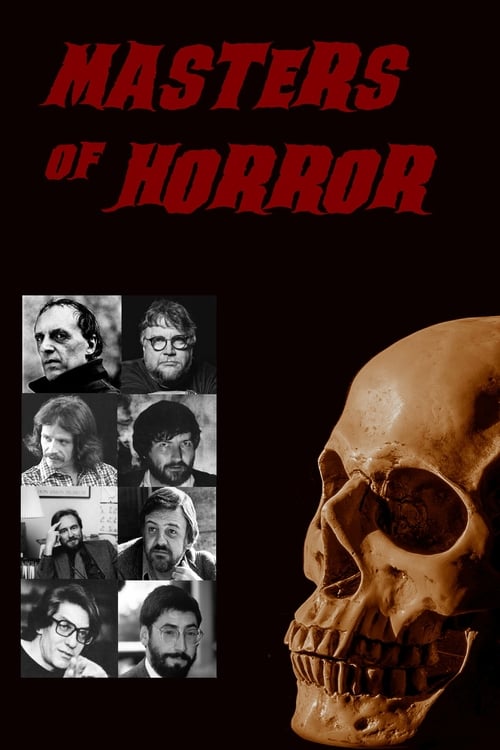
2002
2020
2015
1994
2007
2001
2016
2020
2011
No reviews yet. Be the first to share your thoughts on this movie!
Use the rating form above to leave a star rating and optional review.