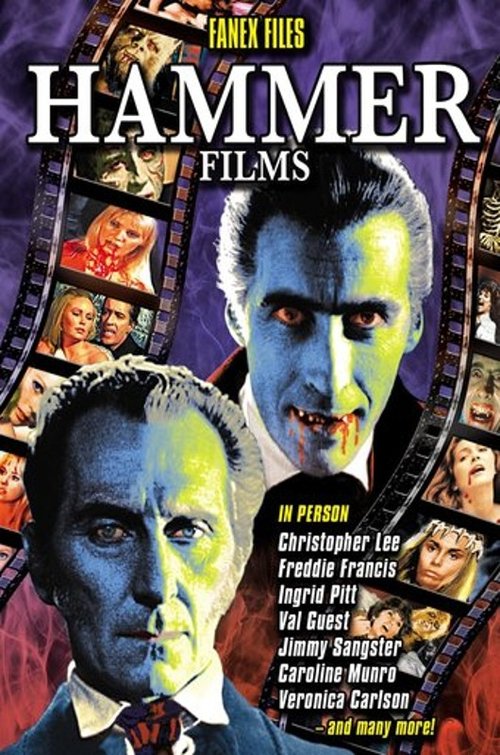
Fanex Files: Hammer Films
2008
No user ratings available yet
Representation score: 4.0 out of 10
Representation Score
Fair
1994
Not RatedDirector
Ted Newsom
Runtime
147 minutes
Average Rating
No ratings yetNew Showbiz Analysis
This documentary serves as a historical retrospective, focusing on preserving the legacy of Hammer Studios rather than critiquing current social issues. It highlights the studio’s commercial success and craftsmanship through archival footage and interviews. Since the film centers on a specific mid-century era, it naturally reflects the demographic and traditional hierarchies of that time. The narrative structure emphasizes honoring the 'fear factory' rather than subverting social norms. Ultimately, the film is an archival study of classic horror, which often relies on established gender, race, and disability clichés.
Category Breakdown
The documentary looks back at a time when censorship was strict and the assumption was that everyone was straight. There are no clear LGBTQ+ identities or stories that question these norms.
The film offers a platform for female voices through interviews with stars like Ingrid Pitt. However, the archival footage often reinforces traditional gender roles and clichés.
The content reflects the demographic makeup of mid-20th-century British horror, featuring predominantly Anglo-Saxon casts and Western folklore.
This film honors the craftsmanship of British independent filmmaking. It celebrates the cultural traditions of British cinema without challenging them.
The focus is on creating fear and shock scenes. Disability is not shown with empowerment or ability to act.
Present on Screen
Limited or Absent
Official Synopsis
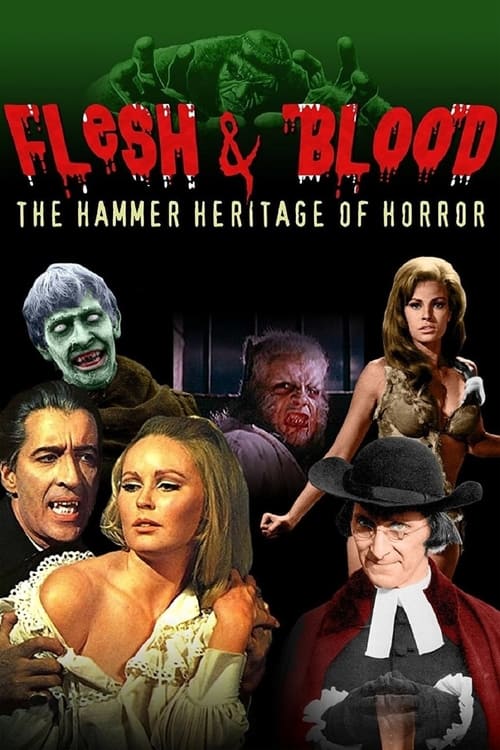
Explore the most legendary horror studio of all time with this fascinating, frightening journey hosted by terror titans Christopher Lee and Peter Cushing. England's most successful independent film company, the "fear factory" of Hammer Studios, has a history filled with feuds, censorship battles and streaks of luck both good and bad. Now the legacy of horror returns, featuring interviews with such Hammer legends as Raquel Welch, Veronica Carlson, Caroline Munro, Ingrid Pitt, Jimmy Sangster, Hazel Court, Martine Beswicke, Freddie Francis, Val Guest and Ray Harryhausen. Plus you'll be treated to behind-the-scenes home movies and nonstop shock scenes from over 40 classic films, including Horror of Dracula, Curse of Frankenstein, The Devil Rides Out, Curse of the Werewolf and many more! It's the definitive study of one of the greatest names in horror!
2008
2019
1987
2024
2018
2022
2016
2006
No reviews yet. Be the first to share your thoughts on this movie!
Use the rating form above to leave a star rating and optional review.