Porky's Super Service
1937
No user ratings available yet
Diversity score: 1.6 out of 10
1954
PassedDirector
Ted Parmelee
Runtime
7 minutes
Average Rating
No ratings yetSynopsis
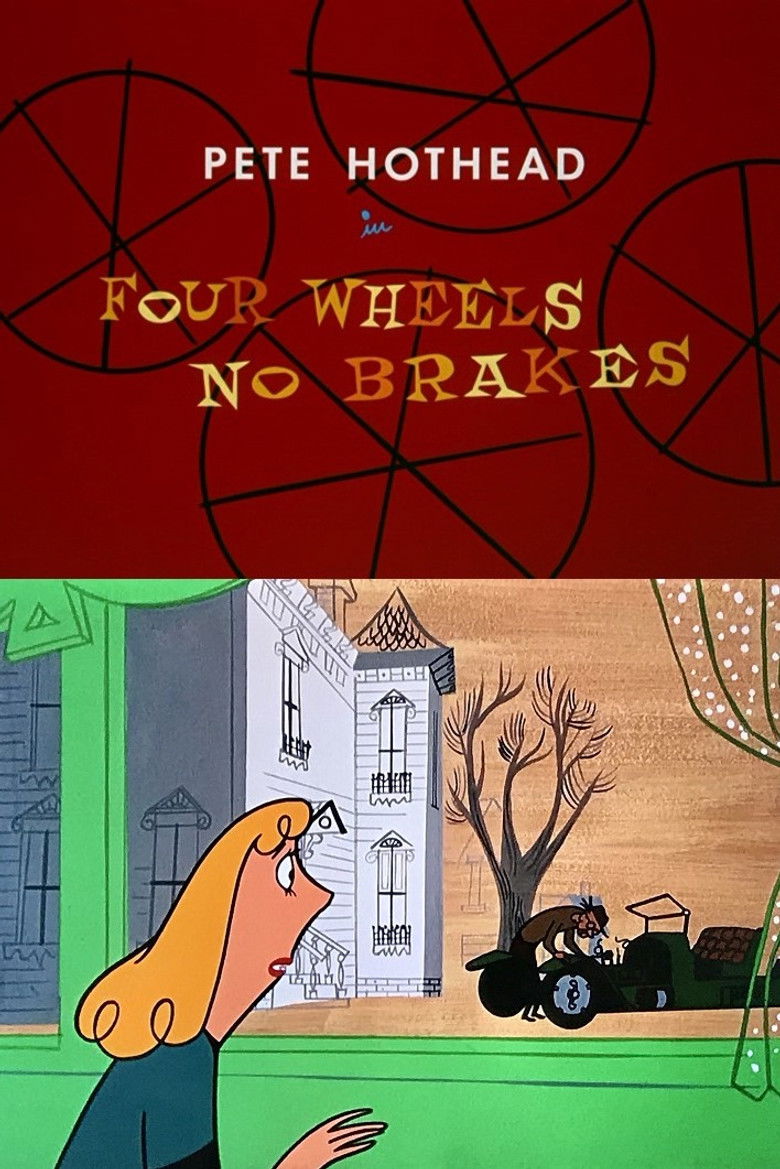
Pete Hothead decides to buy a new car to replace his old beat-up jalopy. Meanwhile, his wife has won a new car on a television quiz show that is the same make and model as the car Pete purchases from a car-dealer. Pete arrives home and sees the car his wife won and mistakes it for the one he ordered from the dealer, but it is a different color. He drives it back to the showroom for a replacement, and that begins the first of many problems he is to encounter.
Overall Score
Minimal
Category Breakdown
LGBTQ+ Representation
The film focuses on a domestic misunderstanding between a husband and wife. There is no evidence of non-cisnormative identities or same-sex intimacy within the narrative.
Gender Representation
Pete Hothead drives the plot through his consumerist frustrations. While his wife triggers the conflict via a quiz show, the agency remains centered on the male protagonist.
Racial & Ethnic Diversity
The story centers on a conventional Western domestic structure. It offers no evidence of racial blending or non-Anglo-Saxon representation typical of mid-century animation.
Religious & Cultural Diversity
The plot emphasizes post-war American consumer culture and the nuclear family. It promotes traditional Western values and the acquisition of material goods like automobiles.
Disability Representation
The narrative contains no mention of characters with visible or invisible disabilities. Disability is not a central thematic element in this comedic short.
Strengths
Areas for Improvement
AI Analysis
Four Wheels, No Brakes is a quintessential example of mid-century traditionalist media. The narrative architecture reinforces conventional social hierarchies and consumerist ideals common to the 1950s. The film operates within strict heteronormative and Western-centric frameworks. It lacks the intersectional agency or complexity required to move beyond standard period tropes. Ultimately, the story functions as a lighthearted domestic comedy that upholds the status quo of its era rather than challenging it.
1937
1938
1953
1931
1956
1968
1952

1928
1947
1955
1999
1966
No reviews yet. Be the first to share your thoughts on this movie!
Use the rating form above to leave a star rating and optional review.