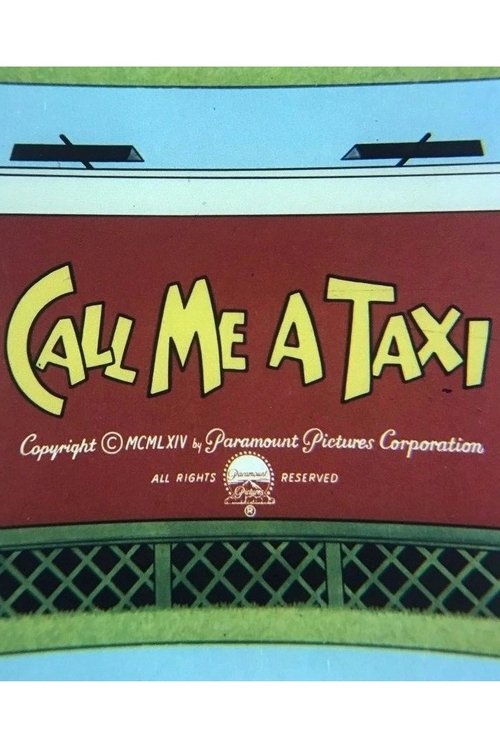
Call Me a Taxi
1964
No user ratings available yet
Representation score: 0.5 out of 10
Representation Score
Minimal
1955
ApprovedDirector
Seymour Kneitel
Runtime
6 minutes
Average Rating
No ratings yetNew Showbiz Analysis
This 1955 animation is a classic example of its time, emphasizing slapstick comedy over social commentary. The narrative structure relies on well-known character types that reinforce mid-century social norms rather than challenge them. The film offers a homogeneous view of the world, lacking diverse representation. By focusing humor on Olive Oyl's perceived incompetence and Popeye's protective role, the work upholds traditional gender roles. Ultimately, the short functions as episodic character comedy. It avoids engagement with racial, cultural, or disability-related themes, staying within the conventional boundaries of the era's animation style.
Category Breakdown
The film does not include any LGBTQ+ characters or non-cisgender identities. It uses typical character types from the era.
The story emphasizes traditional gender roles by having Popeye in a protective, instructional position. Olive Oyl's incompetence is used for comic relief, reinforcing gender stereotypes.
The cast lacks racial or ethnic diversity, focusing on the homogeneous dynamics of the Popeye franchise. There are no non-white or non-Anglo-Saxon characters.
The narrative follows mid-century Western comedic norms without addressing systemic issues or social critiques. It centers on physical slapstick humor.
The film does not represent physical or invisible disabilities. Character struggles are portrayed as personality flaws or lack of experience rather than disabilities.
Present on Screen
Limited or Absent
Official Synopsis
Popeye arrives in a suit of armor to take Olive for her first driving lesson. Between her literal-mindedness ("choke the engine"), inexperience, an inattentiveness, she has several accidents, culminating in a showdown with a locomotive.
1964
1966
1954
1950
1954

1928
1954
1965
No reviews yet. Be the first to share your thoughts on this movie!
Use the rating form above to leave a star rating and optional review.