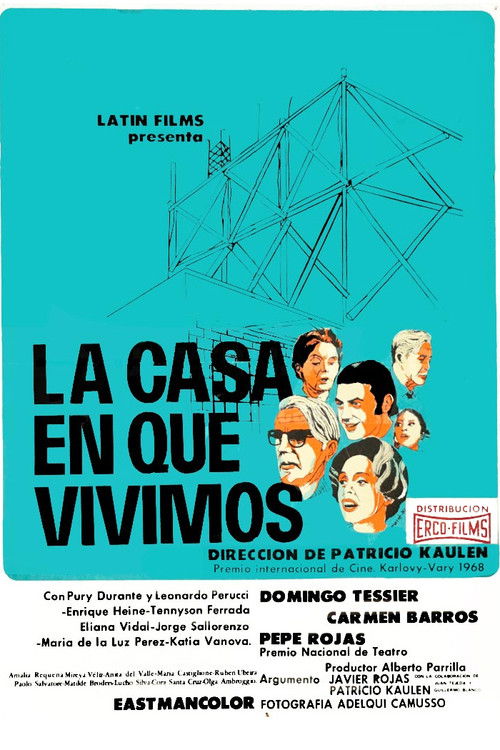
The House We Live In
1970
No user ratings available yet
Representation score: 5.3 out of 10
Representation Score
Good
2010
Director
Alejandro Fernández Almendras
Runtime
89 minutes
Average Rating
No ratings yetNew Showbiz Analysis
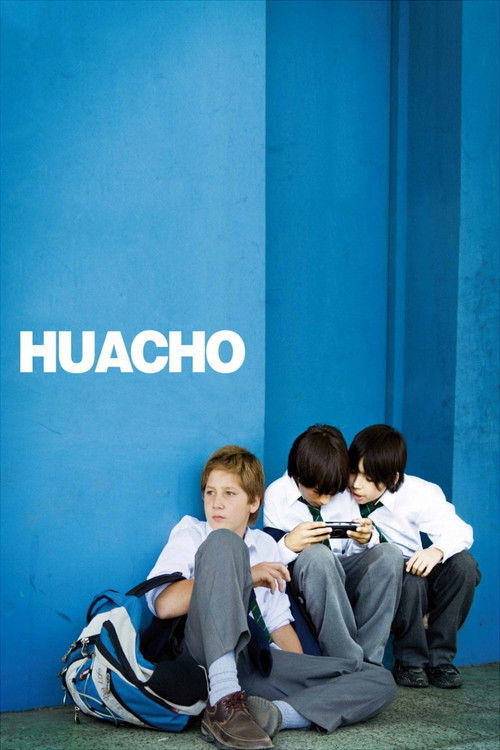
Huacho functions as a study of generational and cultural transition within a Chilean context. It succeeds by centering a non-Western family unit, effectively challenging the dominance of Western cinematic norms through its local focus. The film's strength lies in its thematic density, using the tension between tradition and modernity to critique established social hierarchies. This positioning allows for a progressive deconstruction of traditional familial and social certainties. However, the film lacks specific evidence regarding disability representation or explicit LGBTQ+ character arcs. While the themes suggest a disruption of norms, the narrative's specific approach to these identities remains unverified.
Category Breakdown
The film explores a world where traditional values are questioned, providing space to examine conventional structures. However, there are no specific LGBTQ+ characters or stories highlighted in the narrative.
The story focuses on a family dealing with changes in society, often challenging traditional male dominance. This approach highlights the inability to adapt to modern shifts, thereby subverting traditional patriarchal authority.
By centering a South American family, the film moves away from Anglo-centric storytelling. This focus on local identity provides a meaningful departure from the homogeneous casting seen in global media.
The narrative critiques traditional institutions by presenting the changing world as a disruptive force. It prioritizes moral relativism over singular, traditionalist morality to highlight the decay of old structures.
There is no verifiable evidence regarding the inclusion or portrayal of characters with physical or neurodivergent disabilities.
Present on Screen
Limited or Absent
Official Synopsis
A Chilean family deals with the new values in a quickly changing world.
1970
2001
2012

2012
2016
2004
2001
2008
No reviews yet. Be the first to share your thoughts on this movie!
Use the rating form above to leave a star rating and optional review.