Go West Young Man
1936
No user ratings available yet
Diversity score: 2.2 out of 10
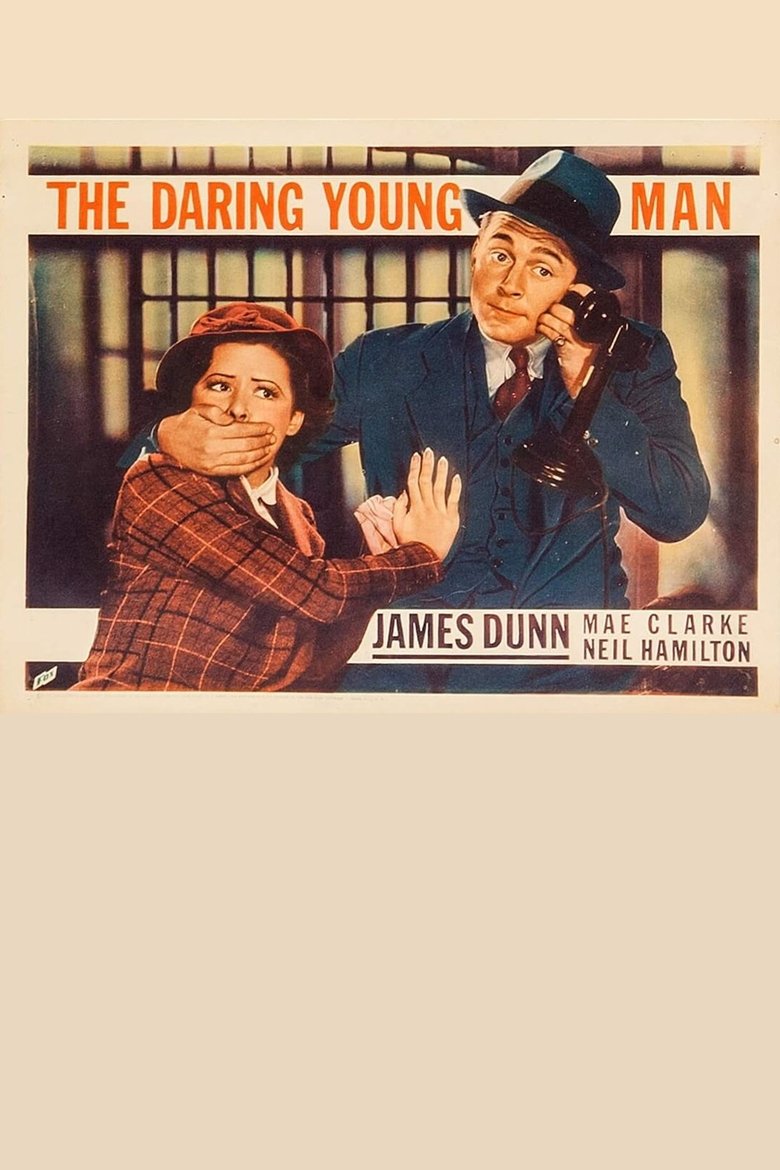
1935
ApprovedDirector
William A. Seiter
Runtime
73 minutes
Average Rating
No ratings yetSynopsis
The Daring Young Man is hotshot-reporter Don McLane, played by James Dunn. Always on the prowl for a good story, McLane is persistently outscooped by his rival, sob sister Martha Allen (Mae Clarke). After several reels of double-crossing one another, hero and heroine give in to the inevitable and fall in love. But as Martha waits at the altar in her wedding gown, McLane is off on another crusade, this time getting himself arrested to expose corruption within the prison system.
Overall Score
Limited
Category Breakdown
LGBTQ+ Representation
The film follows a conventional romantic trajectory between a male protagonist and a female counterpart. There is no evidence of non-cisnormative identities or critiques of heteronormativity.
Gender Representation
Martha Allen is a professional rival to the male lead rather than a passive figure. By outscooping the protagonist, she demonstrates significant professional agency and intellectual parity.
Racial & Ethnic Diversity
The narrative focuses on a competitive newsroom and prison investigation without indicating a diverse cast. The setting appears to center on a homogeneous social environment.
Religious & Cultural Diversity
The story offers a critique of corruption within the prison system. However, the romantic resolution aligns with traditional social structures and conventional happy endings.
Disability Representation
The film contains no mention of characters navigating physical, sensory, or neurodivergent experiences.
Strengths
Areas for Improvement
AI Analysis
The film succeeds in subverting some gendered tropes by presenting a female lead with professional competence and agency. Martha Allen serves as a genuine intellectual peer to Don McLane, disrupting the era's typical domestic female archetypes. However, the film is limited by the social frameworks of 1935. It lacks racial and ethnic diversity, focusing instead on a homogeneous cast, and offers no representation for LGBTQ+ identities or characters with disabilities. While the plot touches on institutional corruption, the narrative ultimately prioritizes a traditional romantic union, which keeps the film firmly within the conventional social boundaries of its time.
1936
1935
1934
1929

1931
1935
1925
1931
1934
1937
1943
1943
No reviews yet. Be the first to share your thoughts on this movie!
Use the rating form above to leave a star rating and optional review.