
One Exciting Night
1922
No user ratings available yet
Representation score: 1.2 out of 10
Representation Score
Minimal
1925
PassedDirector
D.W. Griffith
Runtime
114 minutes
Average Rating
No ratings yetNew Showbiz Analysis
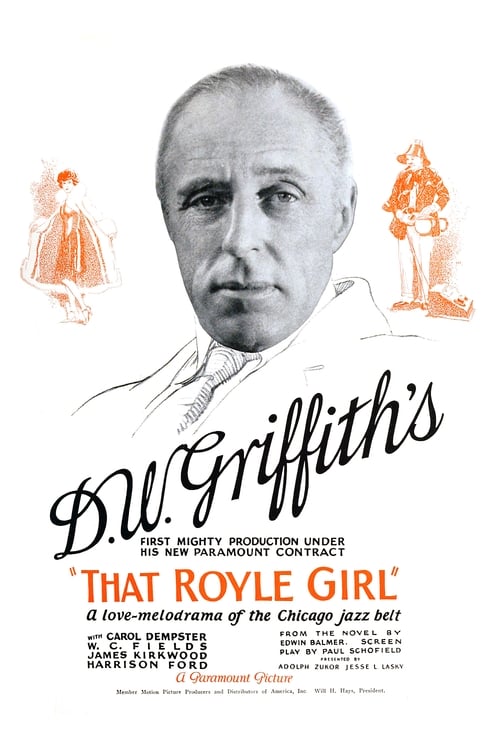
That Royle Girl is a product of its era, deeply embedded in the traditional social and cinematic frameworks of the 1920s. The narrative prioritizes conventional romantic and moral clichés over challenging systemic hierarchies. While the film provides a female lead who drives the investigation, her role is limited by period-specific characterizations of vulnerability. The lack of diverse identities and casting suggests a focus on a narrow, Western-centric social milieu. Ultimately, the film functions as a standard melodrama. It focuses on crime, justice, and class tension without offering a meaningful deconstruction of the social structures present in the story.
Category Breakdown
The film follows a traditional romantic storyline with no evidence of same-sex relationships or non-cisgender gender identities.
Joan Royle is a central character who investigates a murder, but her portrayal as beautiful and naive relies on stereotypes of feminine vulnerability.
The story lacks any indication of a diverse cast, reflecting the homogeneous casting standards typical of the 1920s.
The plot explores class conflicts between the slums and the dance band lifestyle, functioning within a standard melodramatic framework.
There is no information regarding the inclusion of characters with visible or invisible disabilities in this work.
Present on Screen
Limited or Absent
Official Synopsis
A beautiful but naive model who came from the slums falls for the leader of a dance band. When the bandleader's estranged wife is murdered, he is arrested and convicted. The model believes that the real murderer is a gangster who was keeping the wife as his mistress.
1922
1933
1929

1929
1934

1931

1929

1921
No reviews yet. Be the first to share your thoughts on this movie!
Use the rating form above to leave a star rating and optional review.