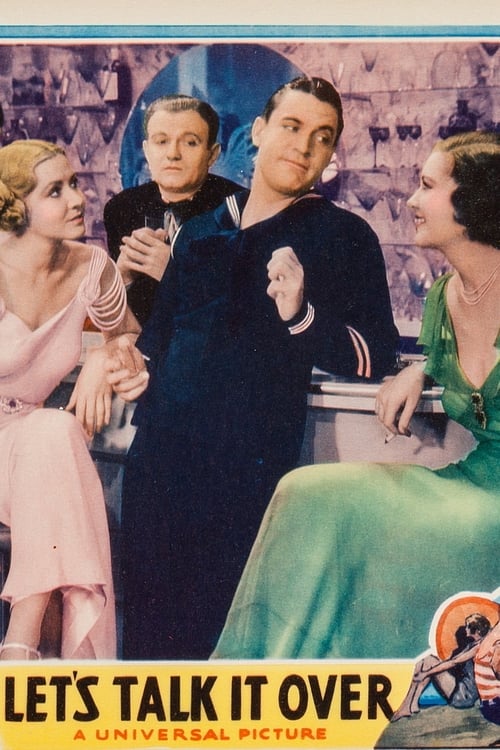
Let's Talk It Over
1934
No user ratings available yet
Representation score: 1.8 out of 10
Representation Score
Minimal
1935
ApprovedDirector
Monty Banks
Runtime
81 minutes
Average Rating
No ratings yetNew Showbiz Analysis
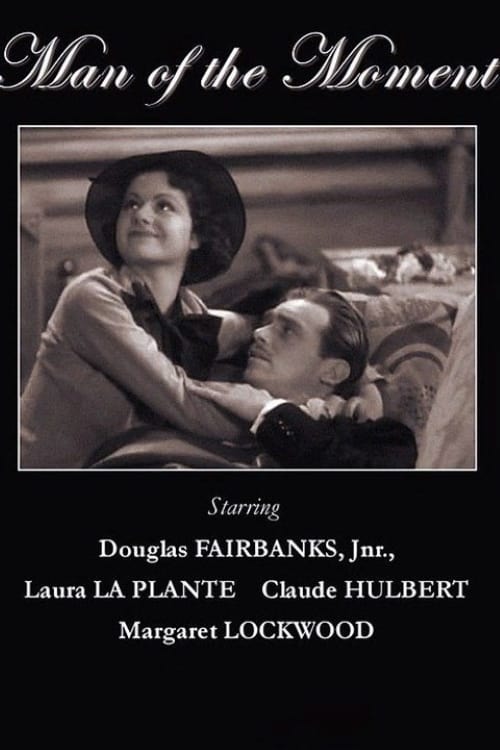
Man of the Moment adheres to the conventional comedic structures and social hierarchies prevalent in 1930s mainstream cinema. The film operates within established cultural norms without attempting to challenge them. The narrative relies heavily on outdated clichés, particularly the 'damsel in distress' scenario, which positions the male lead as the active rescuer while the female character remains passive. Overall, the film lacks intentional representation of diverse identities and social structures, reinforcing the demographic and social norms of early Hollywood.
Category Breakdown
The film follows a traditional heterosexual relationship. There are no representations of LGBTQ+ identities or non-binary gender expressions.
The story centers around traditional gender roles. A male character saves a female character, emphasizing a protective masculinity and a vulnerable femininity.
The film likely reflects the predominantly white demographics of the 1930s. There is no indication of significant roles for non-white characters.
The premise aligns with traditional romantic ideals. The narrative upholds conventional social values regarding courtship and morality without challenging systemic issues.
The film does not include characters with physical or neurodivergent disabilities.
Present on Screen
Limited or Absent
Official Synopsis
Love blossoms after a young man rescues a pretty girl who attempted to drown herself.
1934

1940
1941
1939
1934

1935

1934

1936
No reviews yet. Be the first to share your thoughts on this movie!
Use the rating form above to leave a star rating and optional review.