Lovely to Look At
1952
No user ratings available yet
Representation score: 1.4 out of 10
Representation Score
Minimal
1935
ApprovedDirector
William A. Seiter
Runtime
106 minutes
Average Rating
No ratings yetNew Showbiz Analysis
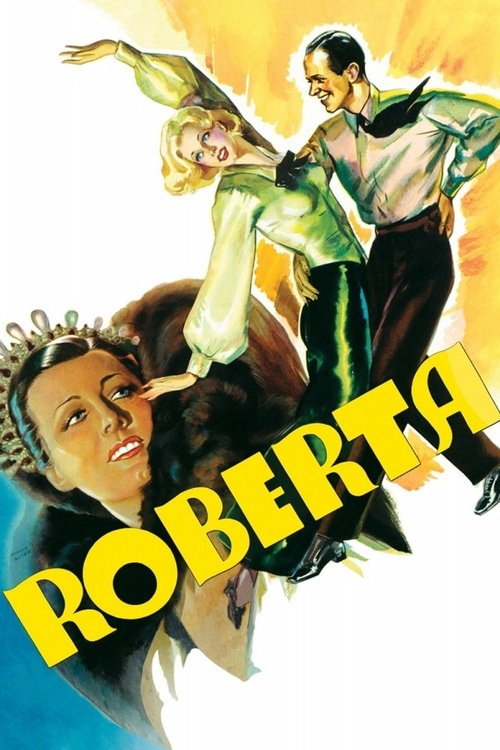
Roberta is a classic 1930s musical comedy that prioritizes escapism over social disruption. While it offers insights into female economic independence through the fashion house storyline, the film remains firmly rooted in traditional social hierarchies. The representation of race and identity is limited, reflecting the standard practices of the time. The narrative relies on conventional romantic clichés and reinforces established class structures without challenging them. Overall, the film exemplifies the polished entertainment style of the studio era, focusing on glamour and musicality within a narrow, traditional framework.
Category Breakdown
The film does not include any LGBTQ+ characters or relationships. It focuses on traditional romantic engagements and musical camaraderie, following the era's strict censorship guidelines.
Female characters show economic independence through owning and managing a fashion house. However, their professional roles are still tied to traditional romantic relationships and social norms.
The production mainly features White actors, aligning with typical 1930s casting practices. The band name 'Wabash Indianians' is used, but there is no meaningful racial or cultural representation.
The story emphasizes Western social structures, highlighting class distinctions and the elegance of upper-class life. It upholds established romantic traditions and professional continuity without critique.
There are no visible or invisible disabilities shown in the film. No characters have specific physical or neurodivergent conditions.
Present on Screen
Limited or Absent
Official Synopsis
Football player John Kent tags along as Huck Haines and the Wabash Indianians travel to an engagement in Paris, only to lose it immediately. John and company visit his aunt, owner of a posh fashion house run by her assistant, Stephanie. There they meet the singer Scharwenka (alias Huck's old friend Lizzie), who gets the band a job. Meanwhile, Madame Roberta passes away and leaves the business to John and he goes into partnership with Stephanie.
1952

1936

1938

1937

1937
1935

1934
1933
No reviews yet. Be the first to share your thoughts on this movie!
Use the rating form above to leave a star rating and optional review.