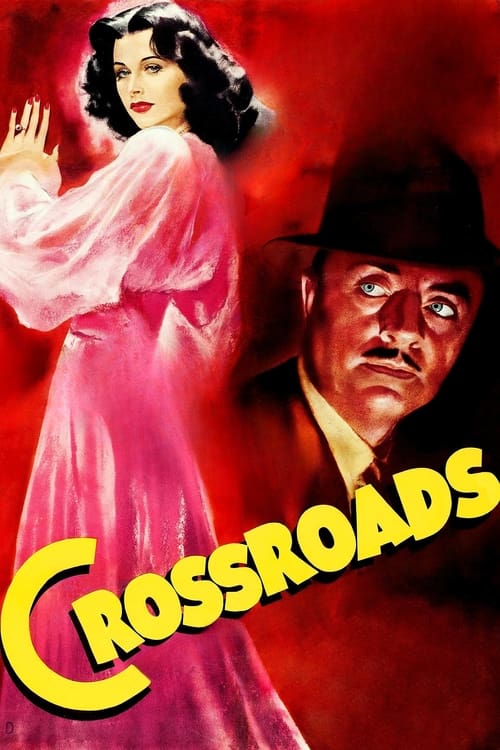
Crossroads
1942
No user ratings available yet
Representation score: 0.9 out of 10
Representation Score
Minimal
1940
Director
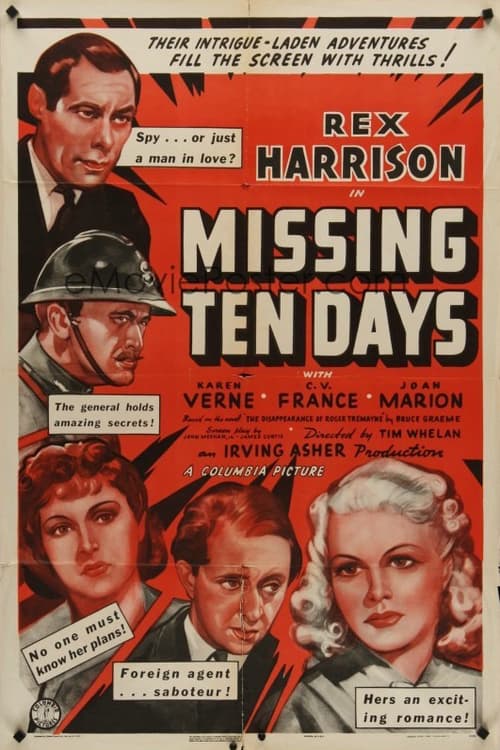
Tim Whelan
Runtime
82 minutes
Average Rating
No ratings yetNew Showbiz Analysis
Ten Days in Paris is a product of its time, adhering to the cinematic conventions of early 1940s Hollywood. The narrative relies on established social hierarchies and conventional character types common to the mystery-drama genre of the era. The film offers limited disruption to prevailing cultural norms. It prioritizes linear storytelling and traditional romantic clichés over diverse or perspectives that reflect multiple aspects of identity. Ultimately, the work functions as a standard mid-century production, emphasizing moral clarity and traditional social stability rather than challenging the status quo.
Category Breakdown
There are no queer narratives or non-straight identities in the film. The story centers around a traditional romance between the male protagonist and a mysterious woman.
Gender dynamics follow typical 1940s courtship patterns. The female lead plays a key role in the mystery, but the narrative does not significantly challenge established social hierarchies.
The cast appears uniform, reflecting the demographics of the time. Paris is portrayed as a romanticized setting without exploring ethnic or racial diversity.
This is a conventional Western story that upholds traditional social structures. It avoids critiquing Western institutions, focusing on individual mystery-solving and romantic resolution.
The protagonist's physical injuries and memory loss serve mainly as plot devices. The film uses his medical condition to advance the mystery without delving into his lived experience or ability to act.
Present on Screen
Limited or Absent
Official Synopsis
Bob Stevens awakens in a hospital with a gunshot wound to his head, and is told that he has been in Paris for ten days. However, this cannot be true because he insists that he crashed his plane and has no recollection of being anywhere for ten days. Bob decides to follow a note found in his jacket, to the woman who wrote it, "Miss D", and get to the bottom of the whole strange situation.
1942
1948
1966
2005
1942
1965
1952
1945
No reviews yet. Be the first to share your thoughts on this movie!
Use the rating form above to leave a star rating and optional review.