
2 Minutes Late
1952
No user ratings available yet
Diversity score: 2.8 out of 10
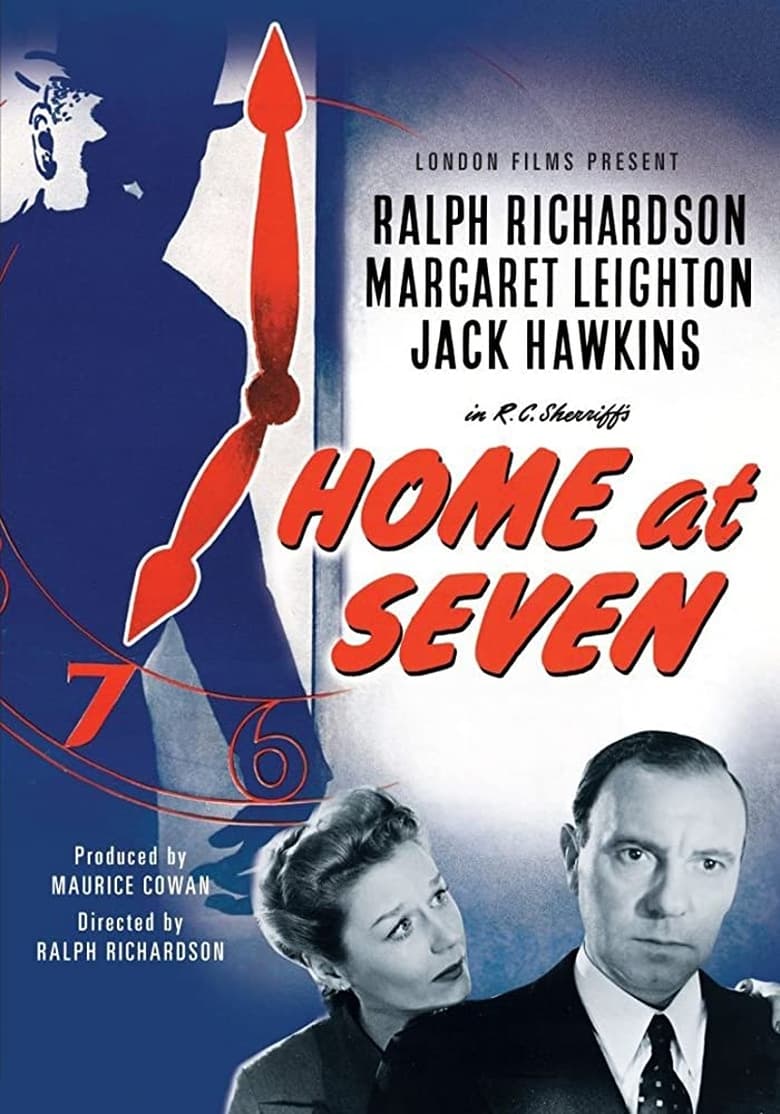
1952
Director
Ralph Richardson
Runtime
85 minutes
Average Rating
No ratings yetSynopsis
Unable to recall the past 24 hours, a British bank clerk is the prime suspect for a robbery/murder.
Overall Score
Limited
Category Breakdown
LGBTQ+ Representation
The film lacks any evidence of LGBTQ+ characters or narratives. There is no indication of themes that challenge heteronormative structures.
Gender Representation
The story centers on a male protagonist navigating a personal crisis. Female characters appear to occupy traditional, supportive roles rather than driving the mystery.
Racial & Ethnic Diversity
The production reflects the demographic homogeneity of 1952 Britain. There is no evidence of diverse casting or non-Anglo-Saxon representation.
Religious & Cultural Diversity
The narrative operates within a traditional Western framework. It focuses on established social hierarchies and professional institutions like the banking system.
Disability Representation
Amnesia serves as the central plot device for the mystery. However, the film uses this cognitive impairment primarily as a suspense tool.
Strengths
Areas for Improvement
AI Analysis
Home at Seven is a conventional 1952 British crime drama that adheres strictly to the social and demographic norms of its era. The narrative is built around a singular male perspective, focusing on a bank clerk's struggle with amnesia following a crime. The film lacks intersectional complexity, offering little in the way of diverse representation or systemic critique. It functions primarily as a genre-driven whodunit rather than a vehicle for exploring varied identities. Ultimately, the work reflects the traditionalist structures of mid-century cinema, prioritizing individual mystery over social or cultural breadth.
1952

1956

1955

1947

1965

1954
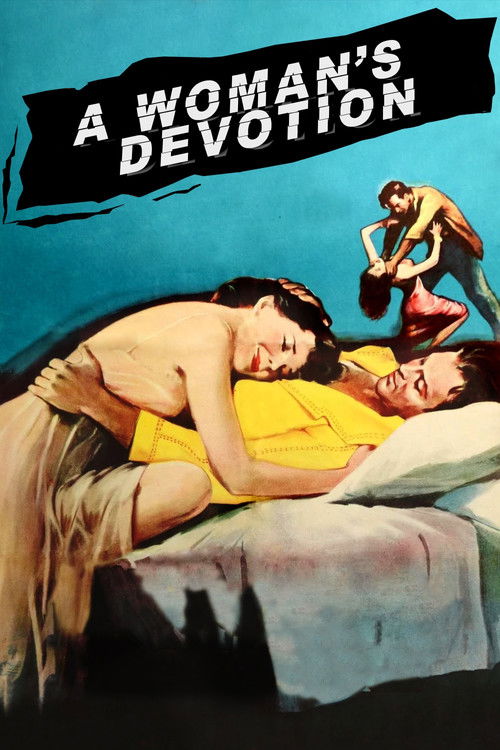
1956

1953
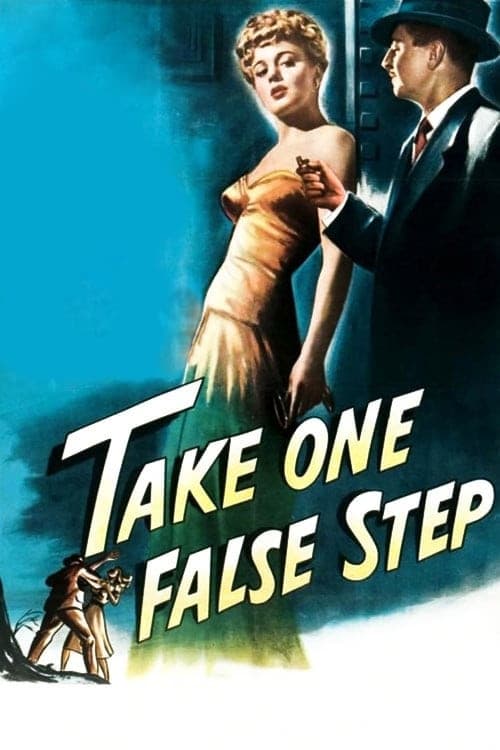
1949
No reviews yet. Be the first to share your thoughts on this movie!
Use the rating form above to leave a star rating and optional review.