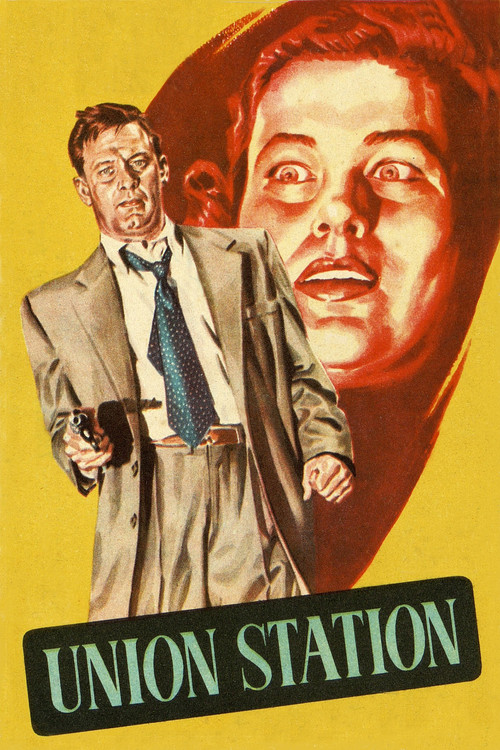
Union Station
1950
No user ratings available yet
Representation score: 2.1 out of 10

Representation Score
Limited
1956
ApprovedDirector
Frank Tuttle
Runtime
75 minutes
Average Rating
No ratings yetNew Showbiz Analysis
A Cry in the Night is a typical product of the 1956 studio system. It prioritizes genre-driven suspense and traditional narrative structures over challenging social hierarchies. The film reinforces mid-century social norms by focusing on a white, mid-century American community.
Category Breakdown
The film follows the conventions of 1950s cinema, which assumes everyone is straight and cisgender. There are no representations of LGBTQ+ identities or non-traditional gender expressions.
Female characters mainly serve as catalysts for the male protagonist's actions. Masculinity is portrayed through professional success and paternal care, reinforcing traditional male leadership roles.
The casting reflects the homogeneity of the era, with a predominantly white cast. The narrative does not explore racial or ethnic diversity.
The story emphasizes traditional Western values and the sanctity of the family. It focuses on restoring order through institutional law enforcement without questioning social structures.
There are no prominent depictions of neurodivergence or physical disabilities. Characters are shown within a standard physiological framework, with no disability serving as a narrative device.
Present on Screen
Limited or Absent
Official Synopsis
A police captain's emotions get in the way when his daughter is kidnapped.
1950
1949
1958

1955
1969
2013

1968
1963
No reviews yet. Be the first to share your thoughts on this movie!
Use the rating form above to leave a star rating and optional review.