
A Cry in the Night
1956
No user ratings available yet
Representation score: 2.9 out of 10
Representation Score
Limited
1950
NRDirector
Rudolph Maté
Runtime
81 minutes
Average Rating
No ratings yetNew Showbiz Analysis
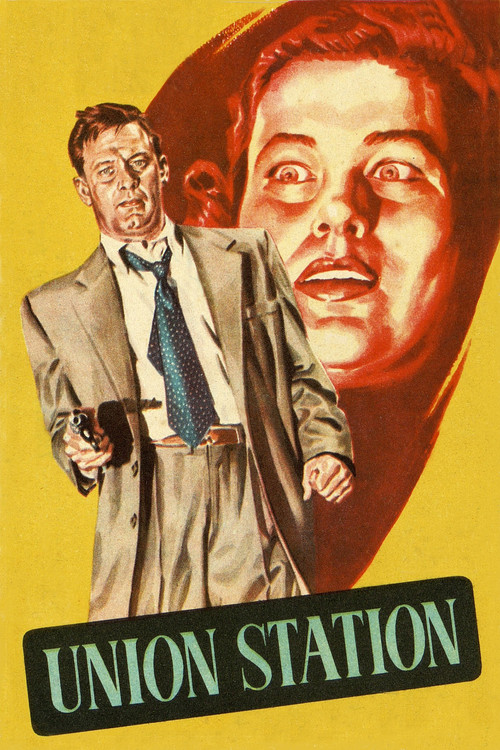
Union Station is a classic mid-century noir that prioritizes restoring social order through established legal channels. The film follows a standard procedural format, emphasizing the stability of law and institutional authority over any disruption of systemic norms. The narrative structure reinforces traditional hierarchies. While the plot uses a character with a disability to create urgency, the characters' actions remain largely driven by able-bodied protagonists and male-led action. Ultimately, the film upholds the conventional cultural and gendered expectations of the mid-20th century without challenging the era's standard social structures.
Category Breakdown
There are no visible LGBTQ+ characters or explorations of non-straight identities in the film. The social environment adheres strictly to the heterosexual norms of 1950s cinema.
Women in the film mainly serve as catalysts for male action or as characters needing protection. The story reinforces a hierarchy where male protagonists lead the main conflict while women remain secondary.
The film features a predominantly homogeneous cast, reflecting the demographic limitations of the early 1950s. It lacks racial or ethnic diversity within its urban railway setting.
The story highlights traditional Western values, particularly the importance of private property and legal authority. It supports the existing social contract through the pursuit of institutional justice.
A visually impaired character is central to the plot's tension. However, disability is used primarily as a narrative device to increase stakes rather than exploring lived experiences.
Present on Screen
Limited or Absent
Official Synopsis
Police catch a break when suspected kidnappers are spotted on a train heading towards Union Station. Police, train station security and a witness try to piece together the crime and get back the blind daughter of a rich business man.
1956
1949
1945
1952
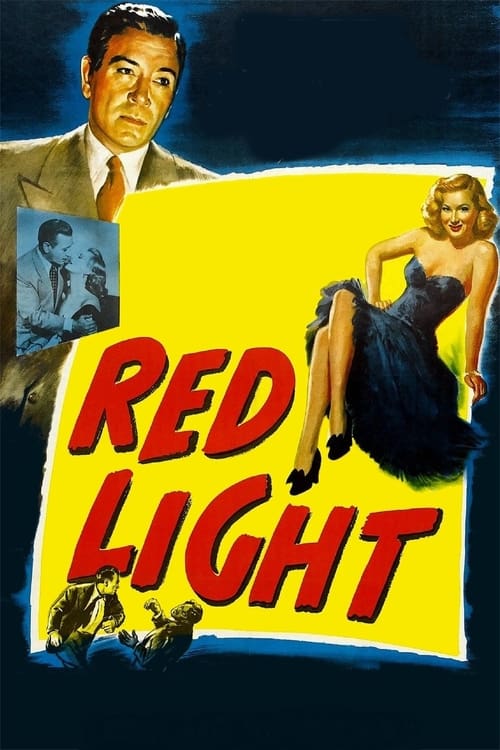
1949
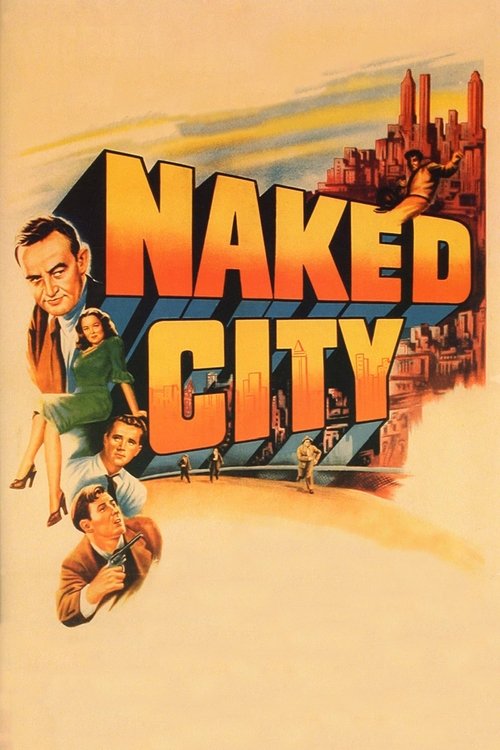
1948
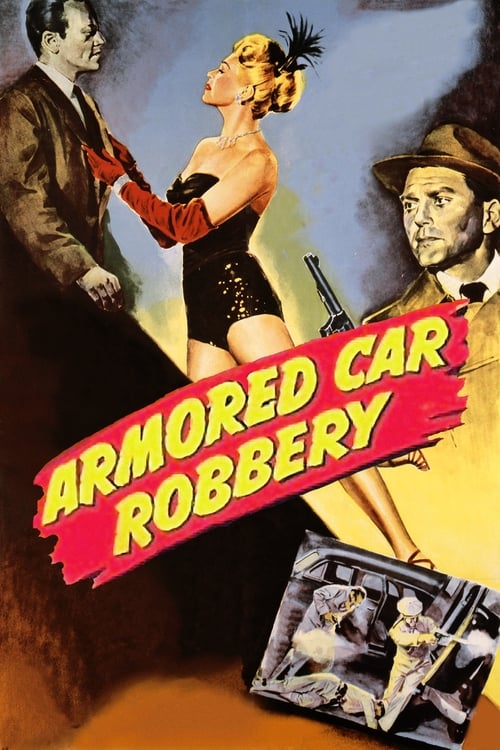
1950
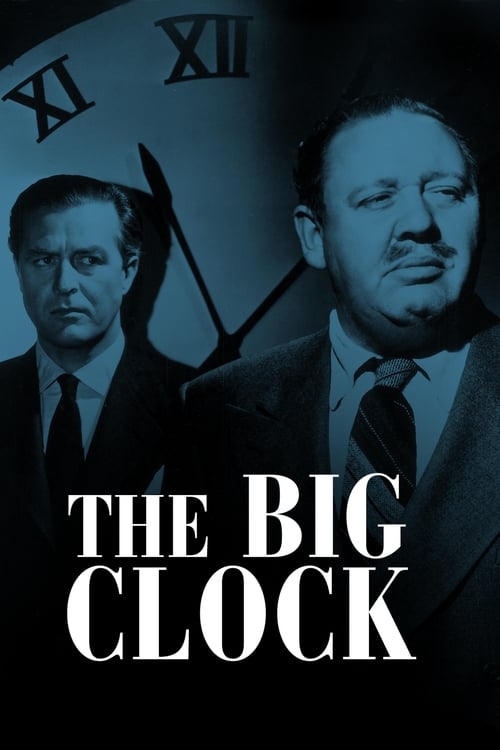
1948
No reviews yet. Be the first to share your thoughts on this movie!
Use the rating form above to leave a star rating and optional review.