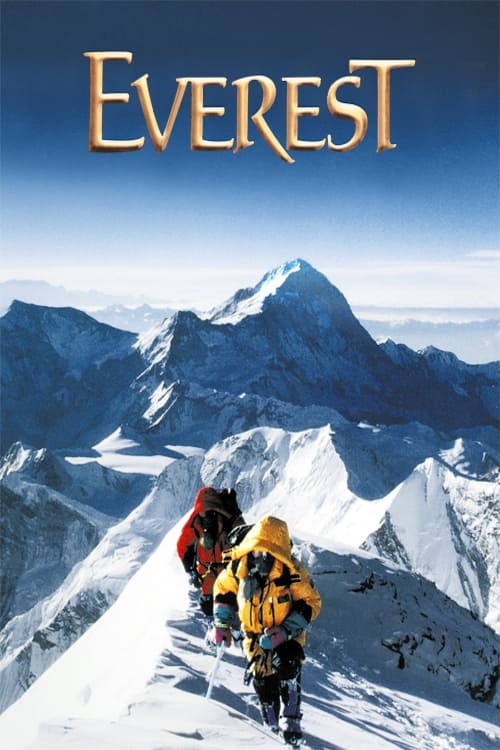
Everest
1998
No user ratings available yet
Representation score: 2.5 out of 10
Representation Score
Limited
1998
Director
David Breashears, Liesl Clark
Runtime
60 minutes
Average Rating
No ratings yetNew Showbiz Analysis
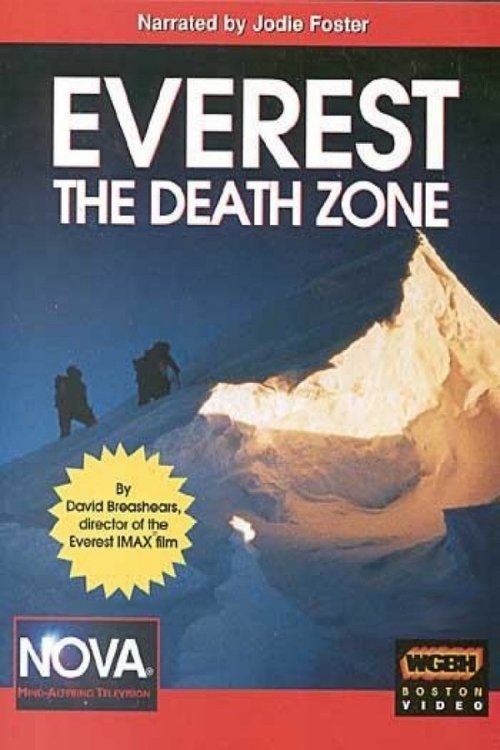
Everest: The Death Zone primarily serves as a technical and physiological study of human survival. It prioritizes empirical data regarding the heart, lungs, and brain over social commentary or the deconstruction of norms. The film offers a realistic depiction of the ethnic diversity found in international mountaineering expeditions, particularly through the inclusion of Sherpa guides. However, it remains tied to the traditional hierarchies of the time. Ultimately, the documentary centers on the biological limits of the human body. It portrays the mountain as a site of cognitive and physical vulnerability rather than a stage for social representation.
Category Breakdown
The documentary focuses solely on physiological responses to extreme altitude and does not include any LGBTQ+ characters or narratives addressing diverse identities.
The film reflects the male-dominated demographic of 1990s high-altitude mountaineering. It lacks meaningful roles for women and does not challenge traditional gender hierarchies.
The film includes Sherpa guides and international climbers, highlighting ethnic diversity. However, the narrative emphasizes the physiological data of the climbers rather than the cultural contributions of the Sherpas.
The documentary observes the socioeconomic hierarchies between Western clients and local Sherpa workers. It prioritizes secular, scientific observation over religious or traditional narratives.
The narrative examines acute physiological impairments, such as hypoxia, as a central scientific subject. It explores the loss of control caused by biological necessity and physical vulnerability.
Present on Screen
Limited or Absent
Official Synopsis
Get ready for a (literally) breathtaking trek up Mt. Everest, from Base Camp at 17,600 feet; through the chilling, corpse-strewn Death Zone; to the very pinnacle of the the Earth, five and a half miles above sea level. For those brave souls who survive the harrowing climb to the top of the world, it is a transformative experience. But can the excruciating ascent—through frigid cold, blasting wind, blinding sun, and severe lack of oxygen—cause permanent, damaging changes to the human brain and body? In the wake of the 1996 disaster that took eight climbers in a single day, scientists follow a team of hikers to measure, for the first time ever, the toll high-altitude climbing takes on the heart, lungs, blood, and brain. Why do seemingly rational people make poor, sometimes fatal decisions as they approach the peak? And the danger doesn’t end there—as NOVA discovers during the descent, when one climber's respiratory illness takes a terrifying turn on the isolated mountainside.
1998
2013

2018
2019

2007
2014
2008
2003
No reviews yet. Be the first to share your thoughts on this movie!
Use the rating form above to leave a star rating and optional review.