Das Riesending - 20.000 Meter unter der Erde
2021
No user ratings available yet
Representation score: 7.0 out of 10
Representation Score
Limited
2020
PG-13Director
Renan Öztürk, Drew Pulley
Runtime
60 minutes
Average Rating
No ratings yetNew Showbiz Analysis
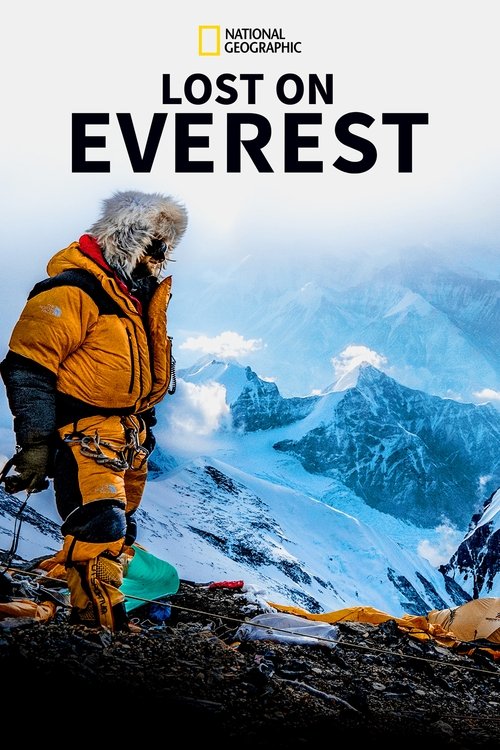
Lost on Everest is a traditional historical mystery focusing on Western mountaineering milestones. The narrative emphasizes the physical prowess of elite athletes and the pursuit of historical legacy through the lens of British explorers. While the film attempts to revise history using forensic evidence, its focus is on factual accuracy rather than a critical examination of identity-based power structures. The subject matter centers on traditional masculine pursuits of conquest. Overall, the documentary adheres to a framework of Western exploration, lacking substantial representation of diverse social identities or non-Western perspectives.
Category Breakdown
The film does not include any visible LGBTQ+ characters or narratives. It focuses solely on historical mountaineering and modern climbing achievements.
The story centers on masculine figures in mountaineering history. There is no indication of female involvement or challenges to traditional gender roles.
The film is set in the context of Western colonial-era exploration involving British mountaineers. The current team's racial makeup is not specified, implying a focus on Western traditions.
The premise revolves around Western interests in historical legacies and individual accomplishments. It aims for factual accuracy regarding historical events without addressing social hierarchies.
There is no information provided about the portrayal of physical or neurodivergent disabilities in this documentary.
Present on Screen
Limited or Absent
Official Synopsis
Reaching 29,029 feet, Mount Everest has long captivated mountaineers of all stripes. But a peak that draws athletes and mountaineers to new heights isn’t without danger — or a dark side. Perhaps the peak’s greatest mystery is the missing body of Andrew “Sandy” Irvine who disappeared alongside George Leigh Mallory in 1924 just 800 vertical feet from the summit. In Lost on Everest, we follow along as a team of elite climbers with new intel on the location of his missing body set out to solve what may be mountaineering’s great mystery. Along with the body, the team hopes to find Irvine’s camera and the footage that could rewrite history.
2021
2013

2010
2021
2022

2015
1998
2003
No reviews yet. Be the first to share your thoughts on this movie!
Use the rating form above to leave a star rating and optional review.