
Wings of Hope
1999
No user ratings available yet
Representation score: 7.1 out of 10
Representation Score
Limited
1985
Director
Werner Herzog
Runtime
45 minutes
Average Rating
No ratings yetNew Showbiz Analysis
Werner Herzog’s documentary offers a philosophical examination of mountaineering rather than a focus on social identity. By emphasizing the psychological and existential motivations of the climbers, it subverts the typical heroic adventure clichés. However, the film is constrained by its historical context, focusing on male endurance and Western explorers. This limits its scope to a specific demographic and prevents a more diverse or multi-layered perspective. Ultimately, the work is a study of human perseverance against nature, which naturally narrows its focus to the climbers of that time.
Category Breakdown
The documentary focuses solely on high-altitude mountaineering expeditions. There are no characters or narratives addressing LGBTQ+ identities or non-assuming gender matches what was assigned at birth gender identities.
The narrative centers on a male-dominated environment, reflecting the 1980s mountaineering world. It reinforces traditional masculine archetypes of endurance and stoicism without giving women a prominent role.
Set in the Karakoram range, the film primarily features European climbers. The narrative emphasizes a Western perspective on exploration and discovery.
Herzog avoids the celebratory adventure clichés, instead focusing on the philosophical aspects of mountaineering. He challenges the 'conqueror' myth by highlighting existential struggles and personal tragedies.
The film explores the fragility of the human body under extreme conditions. It addresses physical and mental limits as part of the human condition rather than subjects of pity.
Present on Screen
Limited or Absent
Official Synopsis
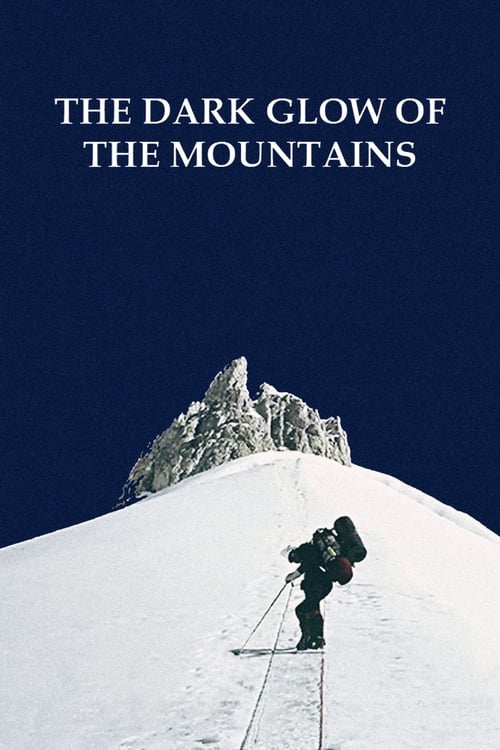
Werner Herzog follows mountaineers Hans Kammerlander and Reinhold Messner during their expedition into climbing the Gasherbrum mountains, which has some of the most difficult peaks to be conquered, and they'll do it without the use of oxygen tanks. Herzog also takes some time to hear about their past experiences with other mountains, their personal tragedies and the reasons why they are so involved with such activity.
1999
2013

1991

1982

2022
2003

2014
2021
No reviews yet. Be the first to share your thoughts on this movie!
Use the rating form above to leave a star rating and optional review.