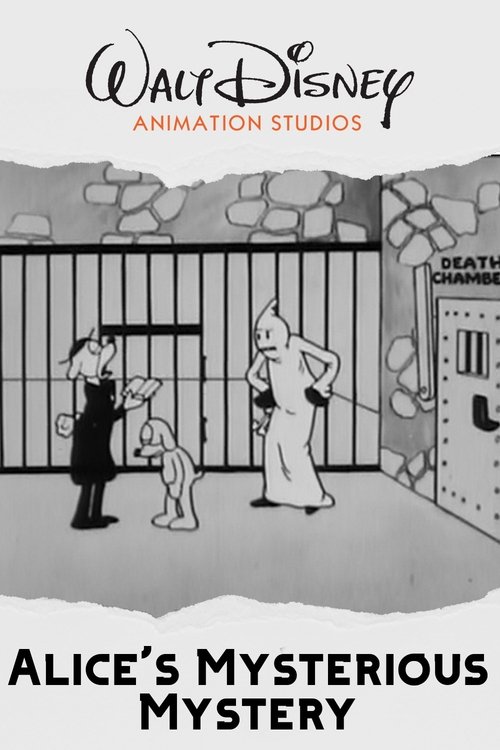
Alice's Mysterious Mystery
1926
No user ratings available yet
Representation score: 1.6 out of 10
Representation Score
Limited
1924
Director
Walt Disney
Runtime
12 minutes
Average Rating
No ratings yetNew Showbiz Analysis
Alice and the Dog Catcher centers on female leadership and anti-authoritarian themes. Alice's role as a leader of a secret club provides a rare moment of female organizational authority for the 1920s. However, the film's diversity is limited due to a lack of specific data on racial, religious, or disability-related representation. The absence of visible diversity keeps the overall score moderate. Ultimately, the film’s strength lies in its social premise rather than a broad spectrum of identity representation.
Category Breakdown
The film does not include explicit representations of LGBTQ+ identities or relationships that go beyond the assumption that everyone is straight. The story focuses on a local social movement rather than character-driven queer narratives.
Alice is a central female protagonist who leads a secret organization, exercising leadership and authority. This disrupts typical early-century depictions of female passivity and grants her a significant role in driving the story.
There is no information available regarding the racial composition of the town or the club. Consequently, no evidence of diverse casting or whitewashing can be confirmed.
The narrative challenges civic order by presenting a secret club as a subversive element against municipal functions. It explores themes of anti-authoritarianism and communal goals over institutional law.
The film provides no evidence regarding the inclusion of characters with physical or neurodivergent traits. No representation of disability is present in the known context.
Present on Screen
Limited or Absent
Official Synopsis
Alice presides over a secret club which proposes to rid the town of dog catchers and free the dogs!
1926

1925
1925
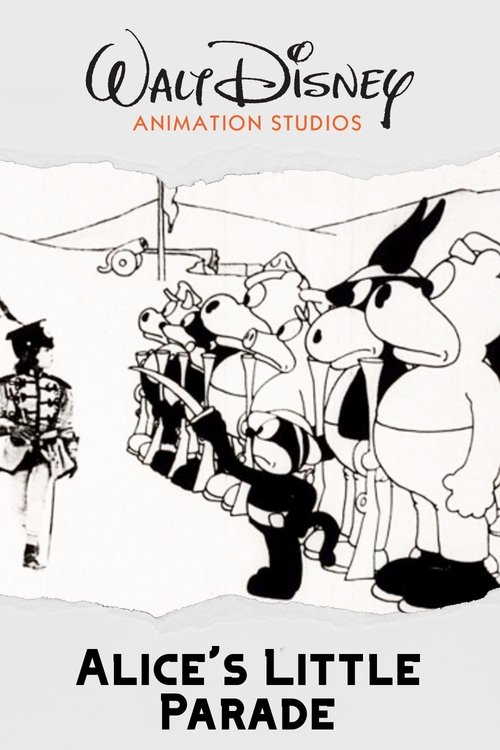
1926
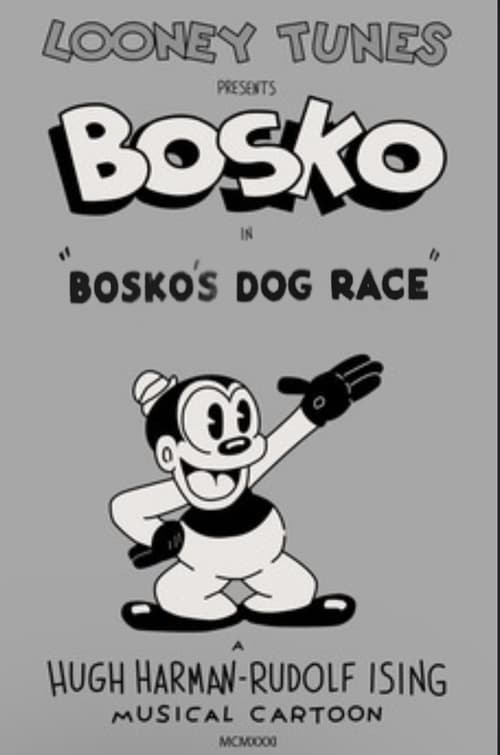
1932
1958
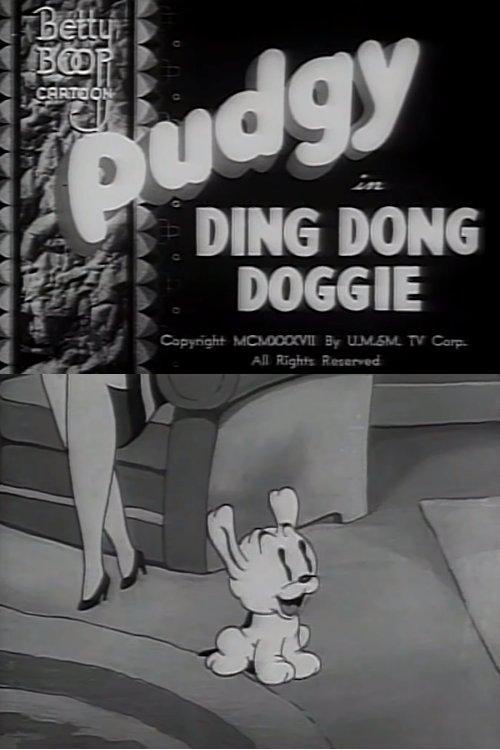
1937
1939
No reviews yet. Be the first to share your thoughts on this movie!
Use the rating form above to leave a star rating and optional review.