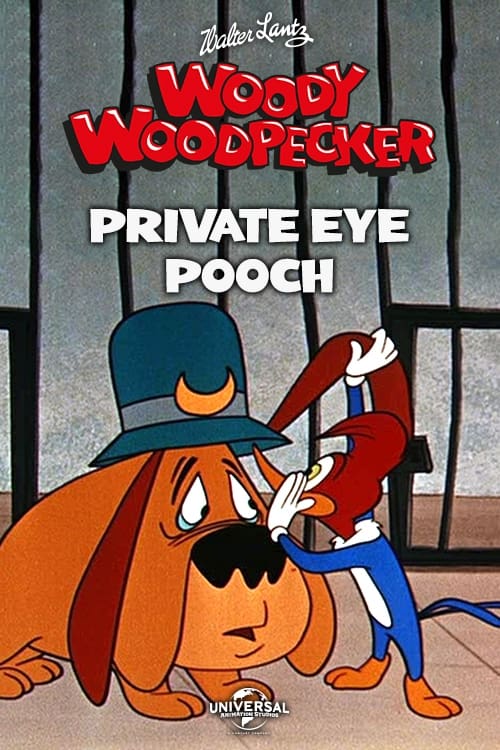
Private Eye Pooch
1955
No user ratings available yet
Representation score: 1.4 out of 10
No Poster Available
Representation Score
Minimal
1958
ApprovedDirector
Seymour Kneitel
Runtime
6 minutes
Average Rating
No ratings yetNew Showbiz Analysis
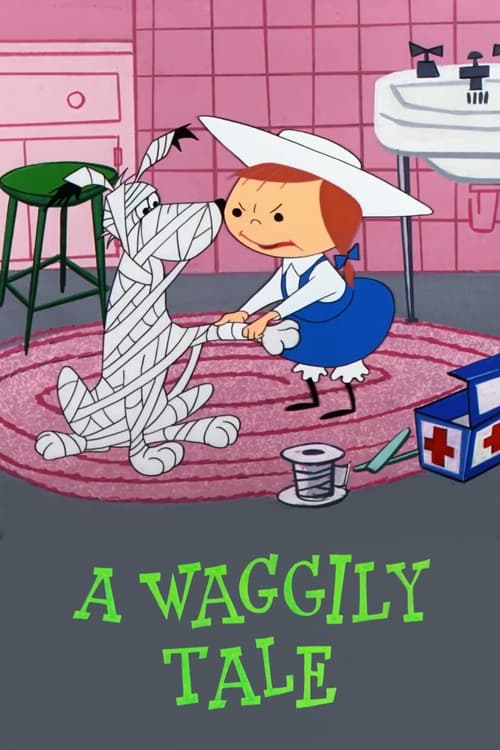
Dawg Gawn is a product of its 1958 era, focusing on classic slapstick and character-driven narratives. The narrative centers on a simple rescue mission, providing a clear moral framework but lacking depth in representation. While the film includes a female lead with ability to act, the characterization remains within traditional boundaries. The absence of diverse racial, cultural, or LGBTQ+ elements reflects the narrow social scope of mid-century animated shorts. Ultimately, the film functions as a standard moral fable. It succeeds in its genre-specific goals of storytelling through animal-human bonds but does not engage with multi-layered themes or systemic critique.
Category Breakdown
The film does not include any characters with LGBTQ+ identities or same-sex relationships. The story focuses on the relationship between a child and her pet.
Audrey is a female protagonist who drives the plot through her rescue mission. However, her role is defined by traditional nurturing instincts rather than challenging gender roles.
The film features a homogeneous cast with no indication of racial diversity. It presents a typical mid-century animated environment.
The story relies on a binary morality featuring a villainous dogcatcher. It upholds conventional social structures and traditional Western moral values.
There are no characters with visible or invisible disabilities in the film.
Present on Screen
Limited or Absent
Official Synopsis
Pal so much wants to go to school with Audrey, but she shoos him away. Audrey then has to rescue Pal from a sadistic dogcatcher.
1955
1947
1952
1954
1958
1937
1950
1939
No reviews yet. Be the first to share your thoughts on this movie!
Use the rating form above to leave a star rating and optional review.