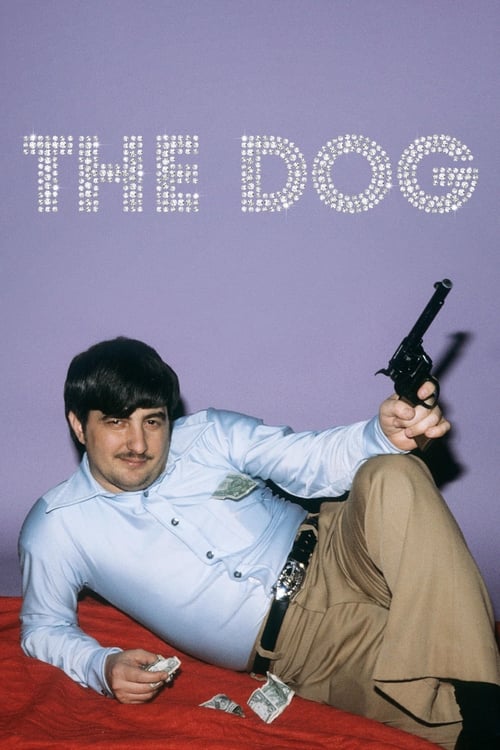
The Dog
2013
No user ratings available yet
Representation score: 8.9 out of 10
Representation Score
Fair
1999
GDirector
Pierre Huyghe
Runtime
10 minutes
Average Rating
No ratings yetNew Showbiz Analysis
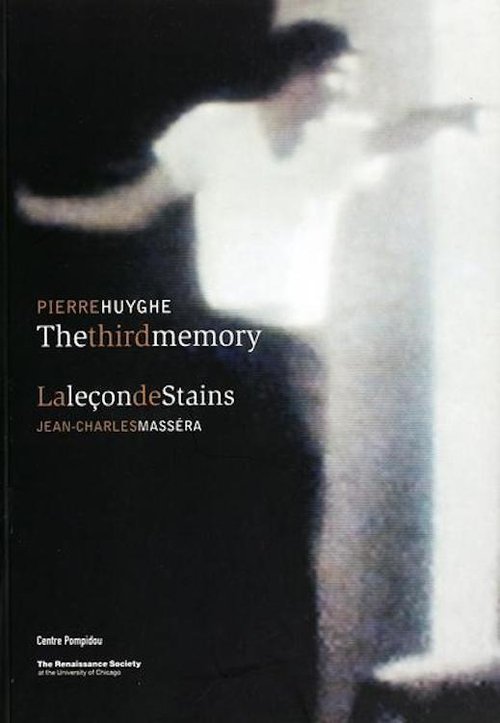
The Third Memory is a postmodern interrogation of truth that uses the 1972 Brooklyn bank heist to dismantle historical stability. It succeeds by elevating subjective memories over polished cinematic myths. While the film lacks demographic breadth, its intellectual framework provides significant progressive value. It effectively challenges the dominance of official history through a lens of ontological relativism. However, the work's experimental nature limits its engagement with certain demographics. The focus remains heavily on the specific socio-geographic setting and the central figure's personal narrative.
Category Breakdown
The film centers on the lived experience of John Wojtowicz, a queer individual. This perspective challenges the assumption that everyone is straight or cisgender by prioritizing his subjective reality.
Huyghe disrupts masculine crime clichés by focusing on memory rather than action. However, women's ability to drive the story remains secondary to the film's broader philosophical inquiry into subjectivity.
The work focuses on a specific, localized urban experience in Brooklyn. There is little evidence of a diverse or non-Anglo-Saxon majority cast within this historical context.
The film excels by questioning the sanctity of the historical record. It replaces objective Western narratives with a complex, postmodern understanding of identity and fragmented personal perceptions.
The film provides no evidence regarding the portrayal of physical or neurodivergent disabilities.
Present on Screen
Limited or Absent
Official Synopsis
Using time, memory, and the texture of everyday experience as his mediums, Pierre Huyghe conflates the traditional dichotomy between art and life. Working in an array of cultural formats—from billboards and television broadcasts to community celebrations and museum exhibitions—he reformulates their codes and deploys them as catalysts for creating new experiential possibilities. A mode of perception that lies in the interstices between reality and its representation is the subject of his two-channel video, The Third Memory (2000), which reenacts the 1972 hold-up of a Brooklyn bank immortalized in Sidney Lumet's acclaimed film Dog Day Afternoon (1975). Almost 30 years later, Huyghe provides a platform for the heist's charismatic mastermind, John Wojtowicz, to relate his version of that infamous day in a reconstructed set of the bank.
2013
1973
2004
1983
1990
2015
2007
2015
No reviews yet. Be the first to share your thoughts on this movie!
Use the rating form above to leave a star rating and optional review.