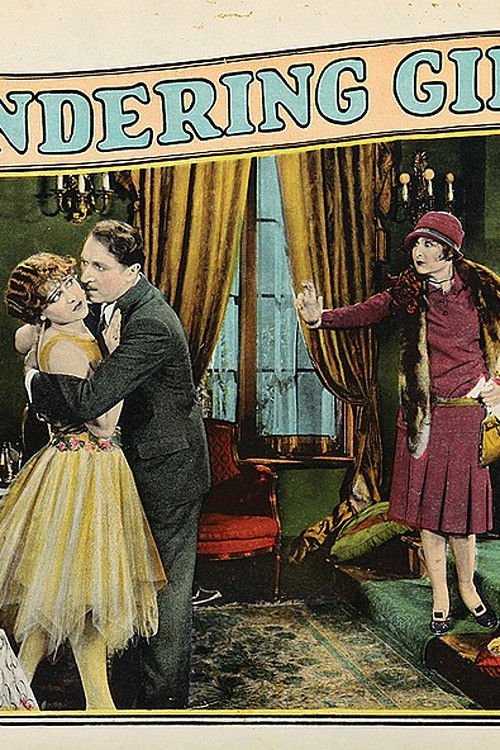
Wandering Girls
1927
No user ratings available yet
Representation score: 1.8 out of 10
Representation Score
Limited
1925
PassedDirector
Hunt Stromberg
Runtime
70 minutes
Average Rating
No ratings yetNew Showbiz Analysis
Paint and Powder adheres to the social and narrative conventions of the 1920s, functioning as a conventional melodrama centered around a traditional romantic arc and class-based conflict. The film lacks complexity in addressing multiple aspects of identity and focuses instead on a standard Western moral framework. While the female lead has a professional role, the narrative weight remains heavily centered on the male protagonist's legal struggles.
Category Breakdown
The film does not include any LGBTQ+ characters or stories about non-cisgender identities. The main relationship is a traditional heterosexual pairing between Mary Dolan and Jimmy Evarts.
Mary Dolan has a professional role as a dancer, but her character is mostly reactive. The plot is driven by the male lead's conflict and wrongful imprisonment.
The casting reflects the homogenous standards of the 1920s. The narrative focuses on class-based urban conflict rather than racial diversity or multi-layered issues.
The story follows typical Western moral clichés involving theft and justice. It operates within a traditional framework aimed at restoring social order.
There is no information about characters with visible or invisible disabilities in this production.
Present on Screen
Limited or Absent
Official Synopsis
Elaine Hammerstein stars in this independently produced drama. She plays Mary Dolan, a dancer at a Bowery café, who is in love with co-worker Jimmy Evarts (Theodore Von Eltz). Jimmy gets in a fight with an East Side tough and finds a wallet on him belonging to a big theatrical manager. Jimmy, however, is accused of being the one who stole it and is thrown in jail.
1927

1924

1929

1920
1931
1929
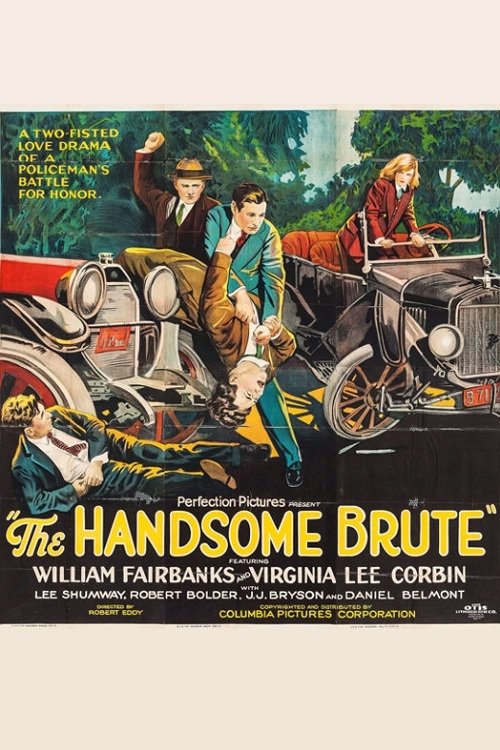
1925
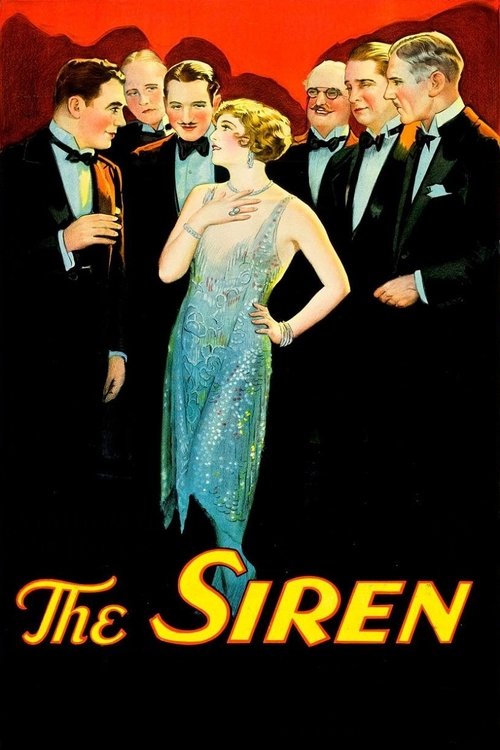
1927
No reviews yet. Be the first to share your thoughts on this movie!
Use the rating form above to leave a star rating and optional review.