
Captive
1986
No user ratings available yet
Representation score: 0.6 out of 10
Representation Score
Limited
1975
Director
René Clément
Runtime
110 minutes
Average Rating
No ratings yetNew Showbiz Analysis
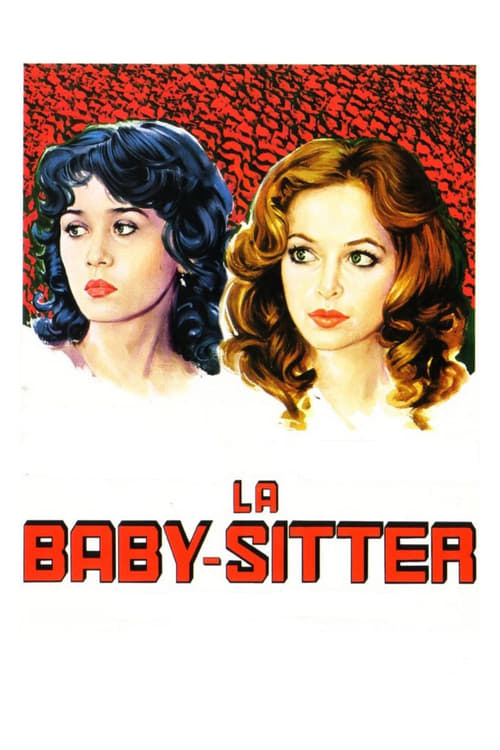
The Baby-Sitter is a character-driven psychological thriller that adheres to the traditional social and demographic frameworks of its era. It prioritizes the internal, subjective realities of its protagonists over broader social commentary. Because the film focuses on individual obsession and psychological development, it lacks the intentionality needed to disrupt established hierarchies. The narrative remains rooted in the standard social compositions of 1970s European cinema. Ultimately, the film functions as a study of human temperament rather than a vehicle for characters who reflect more than one aspect of diversity or the deconstruction of cultural norms.
Category Breakdown
The film does not include any LGBTQ+ characters or narratives. It centers on the psychological bond between the protagonist and a central female figure.
The film explores power imbalances through idealized femininity. While the female figure is portrayed as mysterious rather than submissive, the narrative maintains conventional gender dynamics.
The film reflects the demographic homogeneity typical of mid-1970s European cinema. The cast and setting mirror the social compositions of that time without intentional racial diversity.
The film operates within a framework of psychological realism rather than ideological critique. It uses a traditional village setting as a backdrop for individual exploration without systemic deconstruction.
The film treats themes of isolation and social alienation as character studies of loneliness. These elements focus on psychological temperament rather than the experiences of characters with disabilities.
Present on Screen
Limited or Absent
Official Synopsis
Michelle, a French sculptor living in Rome, is informed of a job babysitting a rich man's son by her new friend Ann, an actress. However, upon arrival, Michelle makes a horrifying discovery.
1986

1995

1972

1974
1965
1964
1954
1956
No reviews yet. Be the first to share your thoughts on this movie!
Use the rating form above to leave a star rating and optional review.