
The Corpse Vanishes
1942
No user ratings available yet
Representation score: 0.4 out of 10
Representation Score
Minimal
1943
ApprovedDirector
James P. Hogan
Runtime
65 minutes
Average Rating
No ratings yetNew Showbiz Analysis
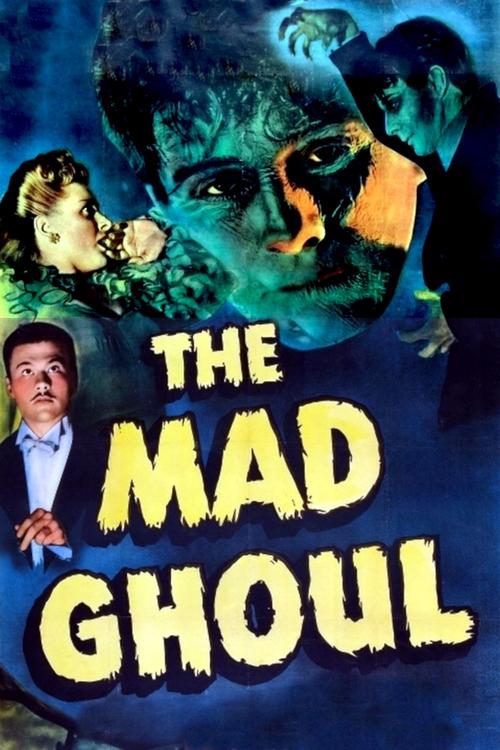
The Mad Ghoul is a typical 1940s B-movie that relies heavily on established genre clichés. It operates within the rigid social frameworks of its time, prioritizing a standard mad scientist narrative over complex character development. Representation is minimal, focusing on traditional romantic rivalries and using indigenous elements merely as plot devices. Characters largely inhabit archetypes that reinforce the social hierarchies of the mid-century period. Ultimately, the film lacks intentionality regarding diverse identities and serves as a period-specific artifact reflecting the limited social scope and colonialist storytelling of early 1940s cinema.
Category Breakdown
The film does not feature any LGBTQ+ characters or explore non-straight identities. The central conflict revolves around a traditional romantic rivalry based on 1940s heterosexual norms.
Female characters mainly serve as objects of desire or triggers for the male protagonist's madness. They lack independent intellectual authority or control within the film's traditional gender roles.
The film uses 'ancient Mayan gas' as a plot device that exoticizes non-Western cultures. It fails to meaningfully represent Mayan people, using indigenous elements solely as a plot device.
The narrative reinforces Western dominance in academic and medical settings. It follows a standard moral arc without critiquing systemic or institutional structures.
Mental instability is portrayed through the lens of horror and villainy. The narrative uses psychological breakdown as a tool for suspense, which often stigmatizes mental health issues.
Present on Screen
Limited or Absent
Official Synopsis
A university chemistry professor experiments with an ancient Mayan gas on a medical student, turning the would-be surgeon into a murdering ghoul as part of a plan to steal his lover.
1942
1933
1962
1955
1957
1920
1939
1940
No reviews yet. Be the first to share your thoughts on this movie!
Use the rating form above to leave a star rating and optional review.