Pact with the Devil
1969
No user ratings available yet
Representation score: 3.3 out of 10
Representation Score
Limited
1972
RDirector
Brad F. Grinter, Steve Hawkes
Runtime
86 minutes
Average Rating
No ratings yetNew Showbiz Analysis
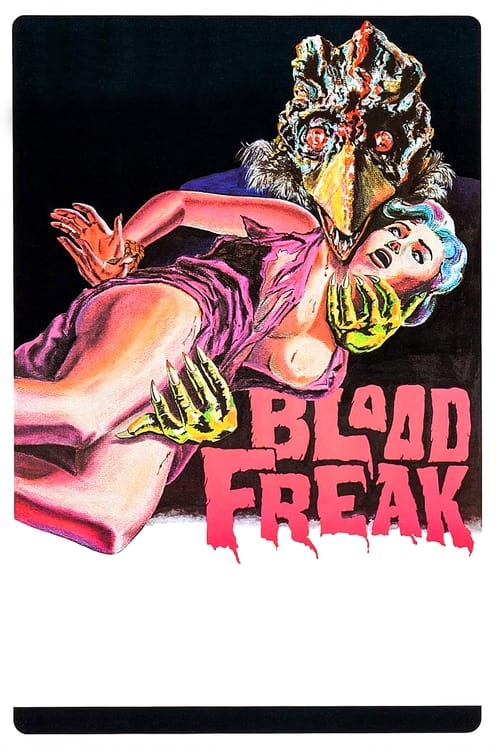
Blood Freak is a quintessential 1970s exploitation horror film that prioritizes genre clichés over social complexity. The narrative relies on established archetypes, such as the mad scientist and the mutated monster, to move the plot forward without challenging the era's social norms. Representation is minimal across the board. The film features a homogeneous cast and utilizes female characters primarily as plot devices to facilitate the male lead's journey. There is no significant effort to include diverse identities or subvert traditional hierarchies. While the protagonist's physical transformation touches on themes of bodily autonomy, it remains firmly rooted in the monster-movie tradition. The film functions as a straightforward genre piece rather than a work of social commentary.
Category Breakdown
The film does not include any LGBTQ+ characters or explore non-straight identities. It follows the conventional social structures typical of 1970s exploitation cinema.
Women appear as the sister and a girl with a flat tire, but they primarily serve as catalysts for the male protagonist. These characters have little control over the central plot.
The cast is predominantly white and reflects the rural setting of exploitation films from the early 1970s. There is no attempt to include actors from diverse racial backgrounds.
The story follows traditional creature feature conventions, focusing on a mad scientist and drug-centric settings. It does not critique Western institutions or promote moral relativism.
The protagonist's mutation drives the horror element and serves as a metaphor for lost bodily autonomy. However, the condition is used as a monster cliché rather than a tool for character development.
Present on Screen
Limited or Absent
Official Synopsis
A biker comes upon a girl with a flat tire and offers her a ride home. He winds up at a drug party with the girl's sister, then follows her to a turkey farm owned by her father, a mad scientist. The father turns the biker into a giant turkey monster who goes after drug dealers.
1969
1977
1962
1994
1967
1972

1978
1974
No reviews yet. Be the first to share your thoughts on this movie!
Use the rating form above to leave a star rating and optional review.